

Weber has a long record in gas grilling, and the Spirit E-310 is its three-burner model for people who want a dependable grill without a lot of extras. It suits a weekend cook who fires up burgers, chicken thighs and vegetables for family and friends. This review covers what the grill offers, how it cooks, and who should pick a different model.
If you are comparing several Weber models, the Weber Spirit E335 review and the Weber Spirit E435 review cover the nearby step-ups. For a wider comparison, see Best 3 Burner Gas Barbecue 2026.
Key Features and Specifications
The Spirit E-310 has three stainless steel burners rated at 32,000 BTUs combined. BTUs measure how much fuel the burners can use per hour, so a higher number means more potential heat. What matters in practice is that three separate burners let you run one side hot and another side low, which is the basis of most weekend cooking.
Here is a quick rundown of the main features:
-
Cooking area: 424 square inches of primary cooking space, plus a 105 square inch warming rack.
-
Burners: three stainless steel burners that can be set independently.
-
Grates: porcelain-enameled cast iron.
-
Flavorizer bars: angled metal bars that sit over the burners.
-
Lid thermometer: a built-in gauge for reading the temperature under the lid.
-
Open cart: a frame with open storage space instead of closed cabinet doors.
What the cooking area holds
424 square inches is enough for a family dinner. That is roughly a dozen burgers at once, or a couple of chickens’ worth of pieces with room left for corn or peppers. The warming rack above the grates is useful for toasting buns or keeping finished food warm while the next batch cooks. It is not meant for searing or cooking raw meat.
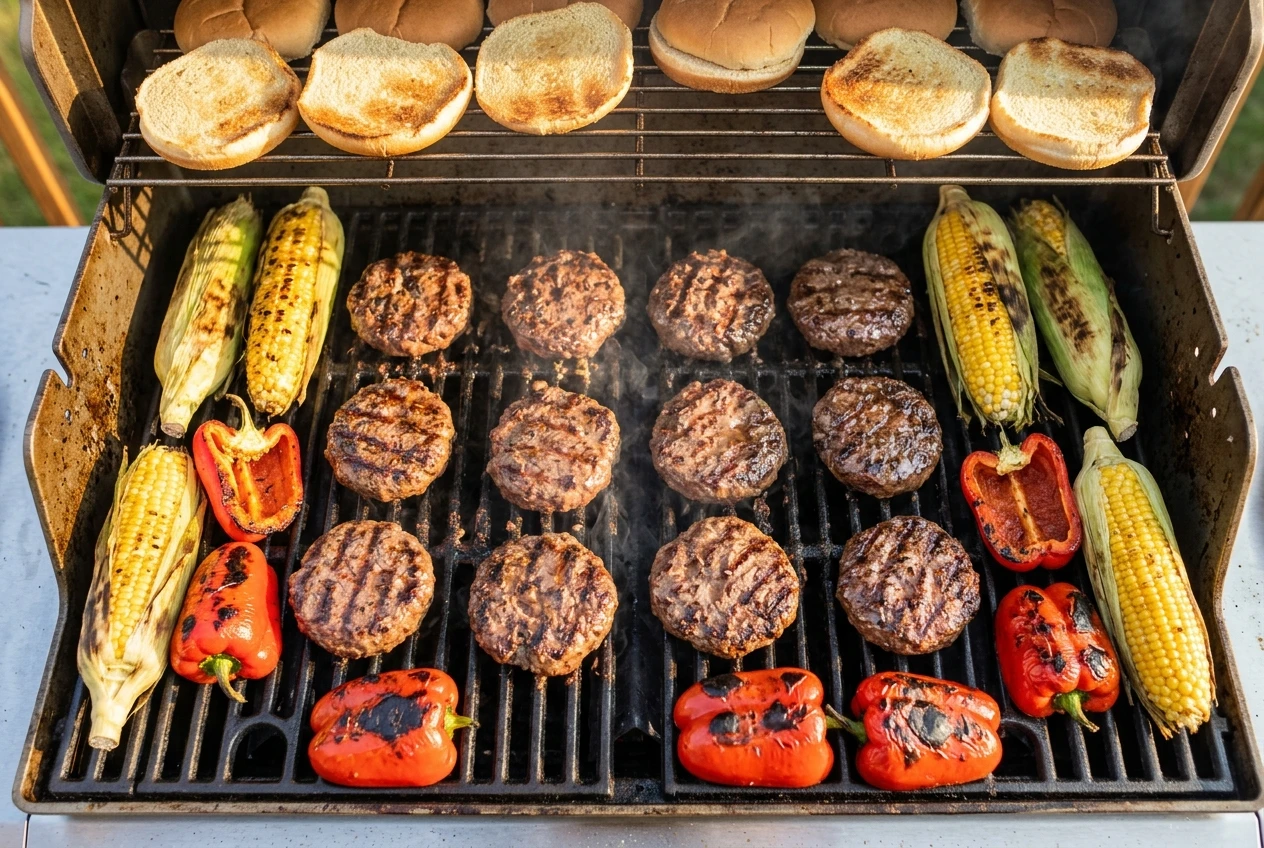
If you regularly cook for large groups, this is the number to watch. A bigger crowd means cooking in batches, and batches mean some people eat before others.
Flavorizer bars and grates
The Flavorizer bars sit between the burners and the food. Drippings land on them and vaporize, which adds smoky flavor and keeps fat from falling directly onto the flames. Over time those bars collect residue, so they need occasional scraping or replacement.
Porcelain-enameled cast iron holds heat well and leaves clear grill marks. The enamel coating also resists rust better than bare cast iron, provided it does not chip. Avoid metal tools that scrape hard against the surface, and a brush with the right bristles will do the job after each cook.
The open cart
The open cart gives you shelf space for tools, sauces and a platter. It also means anything stored there is exposed to weather, so keep the shelf for items that tolerate that, and bring the rest inside. A grill cover is worth considering for the same reason, since it protects the whole cart and the cooking area when the grill is idle.
User Experience and Performance
Setup
A grill of this size arrives in a box and needs assembly. Set aside an afternoon, lay out the parts before you start, and follow the manual in order. Most of the work is attaching the cart frame, wheels and burner tubes. The result is easier if a second person helps lift the firebox onto the frame.
Check each gas connection for leaks before the first cook. Brush soapy water on the fittings with the gas on and the burners off. Bubbles mean a leak. Do not light the grill until the connections are tight.
Cooking on three burners
Three burners make a two-zone setup simple. Light the left and center burners on high, leave the right one off or low, and you have a hot side for searing and a cooler side for finishing. This is the method behind thick pork chops, bone-in chicken and larger roasts, which burn on the outside if left over direct flame the whole time. Our guide to indirect heat grilling on a gas grill walks through the full setup.
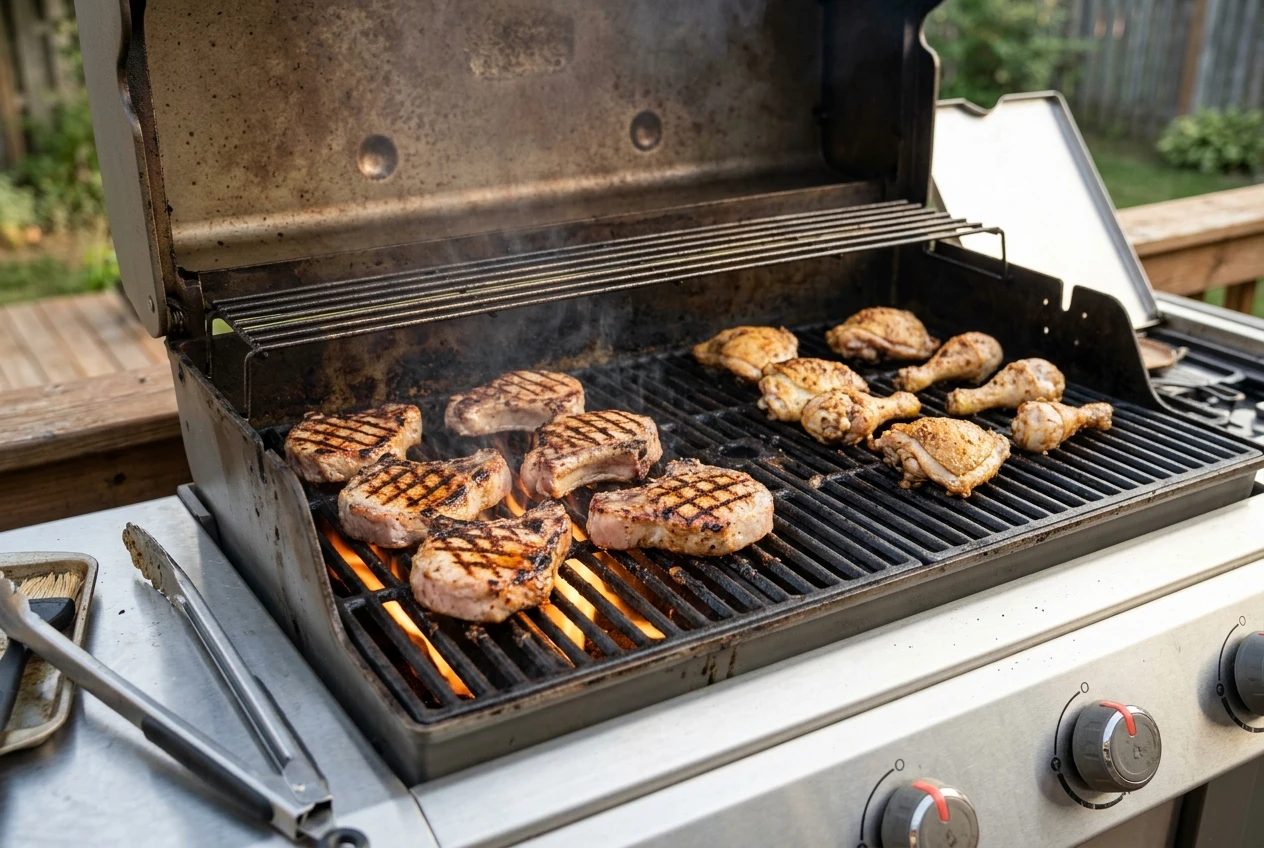
For quick foods, the direct-heat basics apply. Preheat the grill with the lid closed, clean the grates, oil the food rather than the grates, and keep the lid down between flips. Burgers, sausages, vegetable skewers and steaks all do well with this approach.
Heat and temperature control
Three burners with Flavorizer bars above them are built to spread heat across the grates. In any gas grill, though, the area near the edges runs cooler than the center. Learn where your grill’s hot and cool spots are by watching how a row of bread slices browns on a preheated grate. Then place thicker food where it will cook evenly.
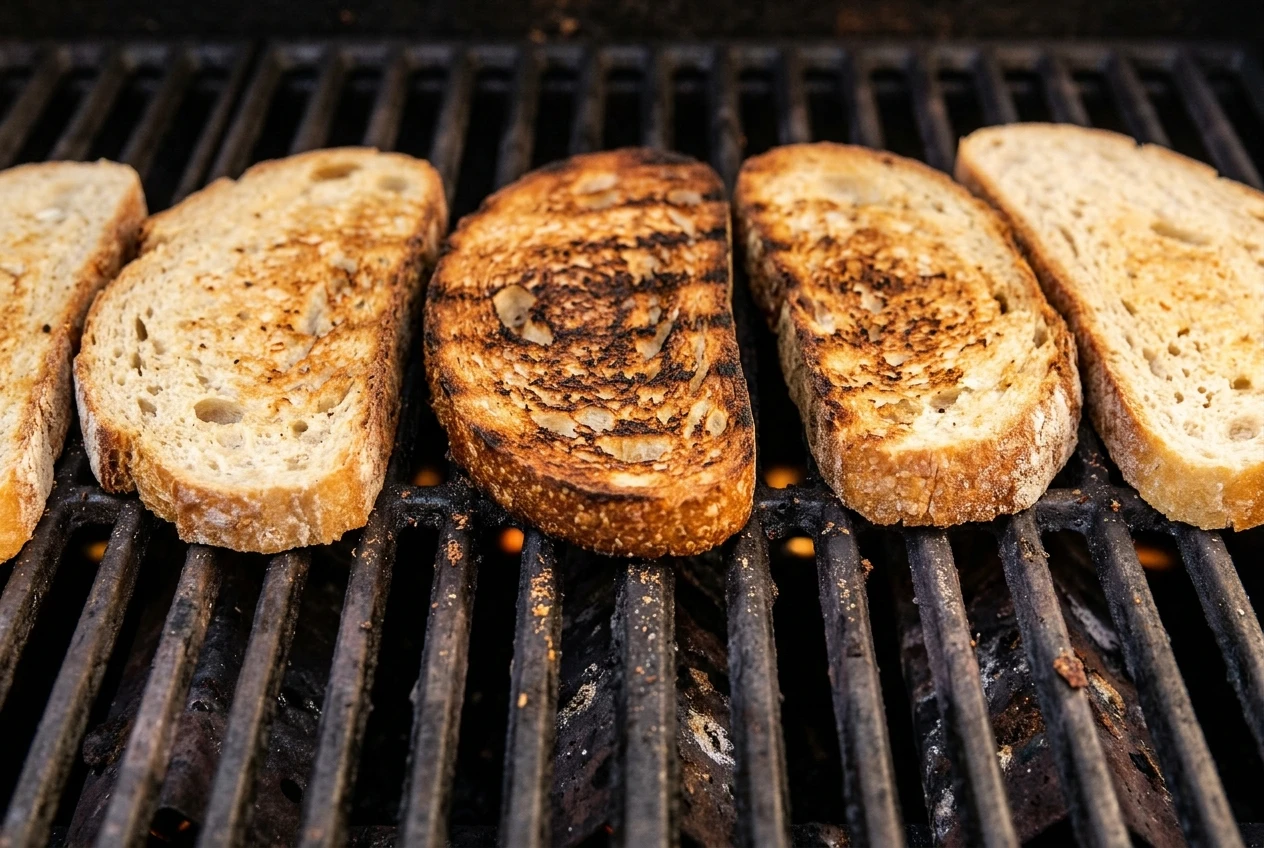
The lid thermometer is useful for general guidance. Its reading is taken near the top of the lid, so the temperature at the grate may differ. A separate probe for meat is the better way to judge doneness, because time and lid temperature only estimate it. Our piece on the right grilling thermometer for the way you actually cook explains the options.
Cleaning and upkeep
Cleaning is simple if you do it often. Burn off residue with the lid closed for a few minutes after cooking, then brush the grates while they are still warm. Every so often, scrape out the bottom of the firebox and empty the grease tray before it overflows. Grease buildup is the main cause of flare-ups.
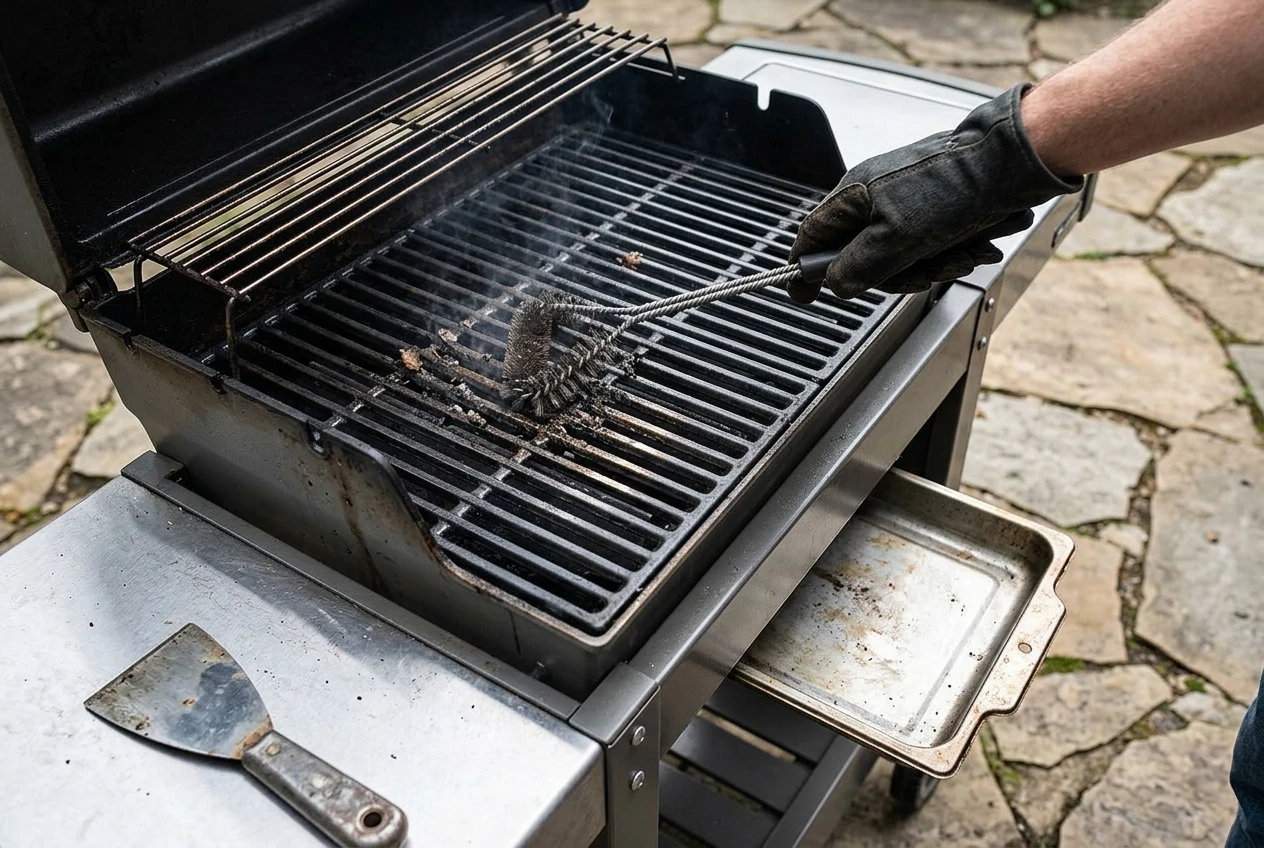
A few seasonal habits extend the grill’s life. Check the burner tubes for spider webs or blockages at the start of the grilling season, inspect the hose for cracks, and replace the Flavorizer bars when they are corroded through. The gas grill maintenance guide lists the full routine.
What it does not include
The Spirit E-310 has no side burner. That means you cannot simmer beans or sauce next to the grill without taking a pot indoors. It also has no built-in smoker box or dedicated sear station. You can still add a smoker tube or a cast-iron pan to the grates, but those are add-ons, not built-in features.
Cooking space is the other limit. If you often grill for ten or more people, you will be cooking in rounds, and a larger model from the Spirit line gives you more room.
Who the Weber Spirit E-310 Fits
The E-310 suits you if:
-
You grill on weekends for a household or a handful of guests.
-
You want burners you can set independently without learning a complicated control system.
-
You want a straightforward grill that is easy to clean.
-
You have a small to medium patio and want a grill that does not take all of it.
You may want something else if:
-
You want a side burner for sauces or sides.
-
You want to smoke food low and slow. A pellet smoker handles that better, and our list of the best pellet smokers under $1000 covers the options for beginners.
-
You cook for large crowds often.
-
You prefer a flat-top surface for breakfast foods and smash burgers. Our comparison, Weber gas grill or Blackstone griddle, helps you decide between the two styles.
A gas grill is also the easiest style to use on a weeknight. It lights with a button, heats in minutes, and shuts off when you are done. If speed matters more to you than smoke flavor, that convenience is the main reason to own one.
Conclusion and Final Verdict
The Weber Spirit E-310 covers the basics well. It has three independently controlled burners, a cooking area that suits a family, grates that hold heat, and an open cart with room for tools. Those features fit a weekend cook who wants steaks, burgers, chicken and vegetables without a long learning curve.
Its limits are clear. There is no side burner and no smoker box, and the cooking surface fills up quickly at a big gathering. If those matter to you, look at a larger Spirit model or a different type of cooker.
For most weekend barbecuers, the E-310 is a sensible choice. Learn to set up two zones, use a meat thermometer, and clean the grates after each cook, and it will give you consistent results for many seasons. Compare the current price and what is included with any other three-burner grills you are considering before you buy.