
Hi, I’m Steven Luff, and BBQ Guru is where I write about barbecuing for people who cook outdoors on weekends. This page covers who I am, what the site is for, and where to start reading.
Who I am
I left school in 1998 and went to catering college in Croydon, London, where I studied hotel management and cooking. That training was the start of my career as a chef.
For the past 20 years I’ve worked in the family business, a retail butcher shop that has been trading since 1980. Working the counter means talking to customers about meat every day: which cut suits which dish, how long to cook it, and which method gets the best result. Many of those conversations ended with a customer heading home with a plan for dinner, and I enjoyed that part of the job most.
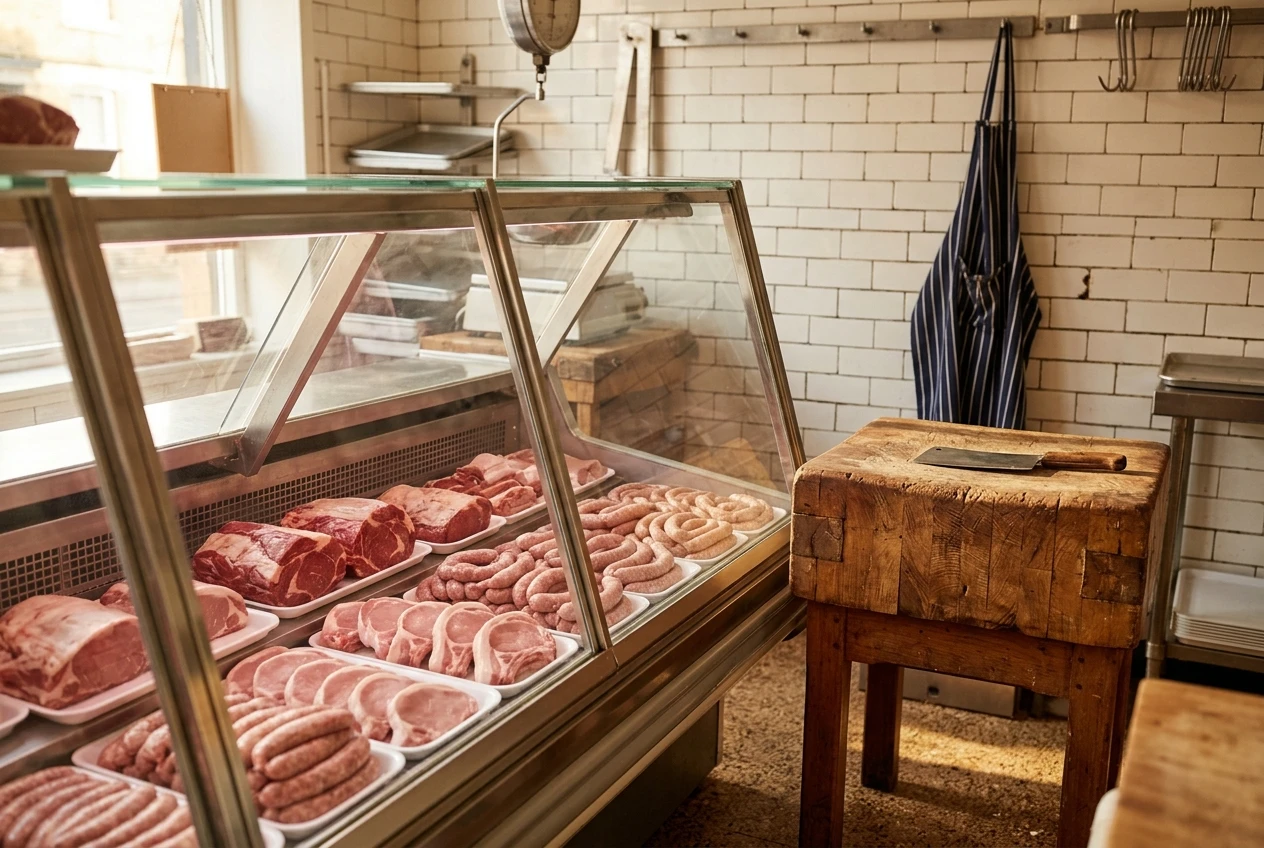
BBQ Guru comes from the same place. Choosing and preparing meat is what I know best, and the site is where I share it with people who barbecue.
What BBQ Guru is for
BBQ Guru is for people who want better results from the grill they already own, or who are deciding which one to buy. It covers the equipment, the techniques, and the meat.
Most weekend cooks do not need restaurant methods. They need a clear way to cook a thick pork chop without drying it out, a dependable way to check whether food is done, and some help choosing between the grills and griddles on offer. The articles here are written around those practical questions.
The site follows three ideas:
-
Meat comes first. A good cut, prepared properly, does most of the work before it reaches the heat.
-
Method matters more than gadgets. Knowing how heat behaves on your grill will improve your food more than any accessory.
-
Equipment should fit the cook. The best grill is the one that suits how you cook and how much space you have.
Who this site is for
The site is written for weekend barbecuers: people who light the grill on Saturday or Sunday, cook for family or friends, and want the meal to turn out well. You might be new to grilling, or you might have cooked outdoors for years and want to tighten up a few habits.
You do not need a large outdoor kitchen or a lot of equipment. Many of the articles are about getting more from a standard gas grill, a griddle, or a small patio setup. If you cook outdoors and want to do it with more confidence, the site is meant for you.
What you will find here
The content falls into a few areas. Each one links to articles already on the site.
Choosing a grill or griddle
A grill is a large purchase, and the right one depends on what you cook. A gas grill and a flat-top griddle work differently, and each suits different food. If you are comparing the two, Weber Gas Grill or Blackstone Griddle? How to Pick for the Way You Cook on Weekends is the place to start.
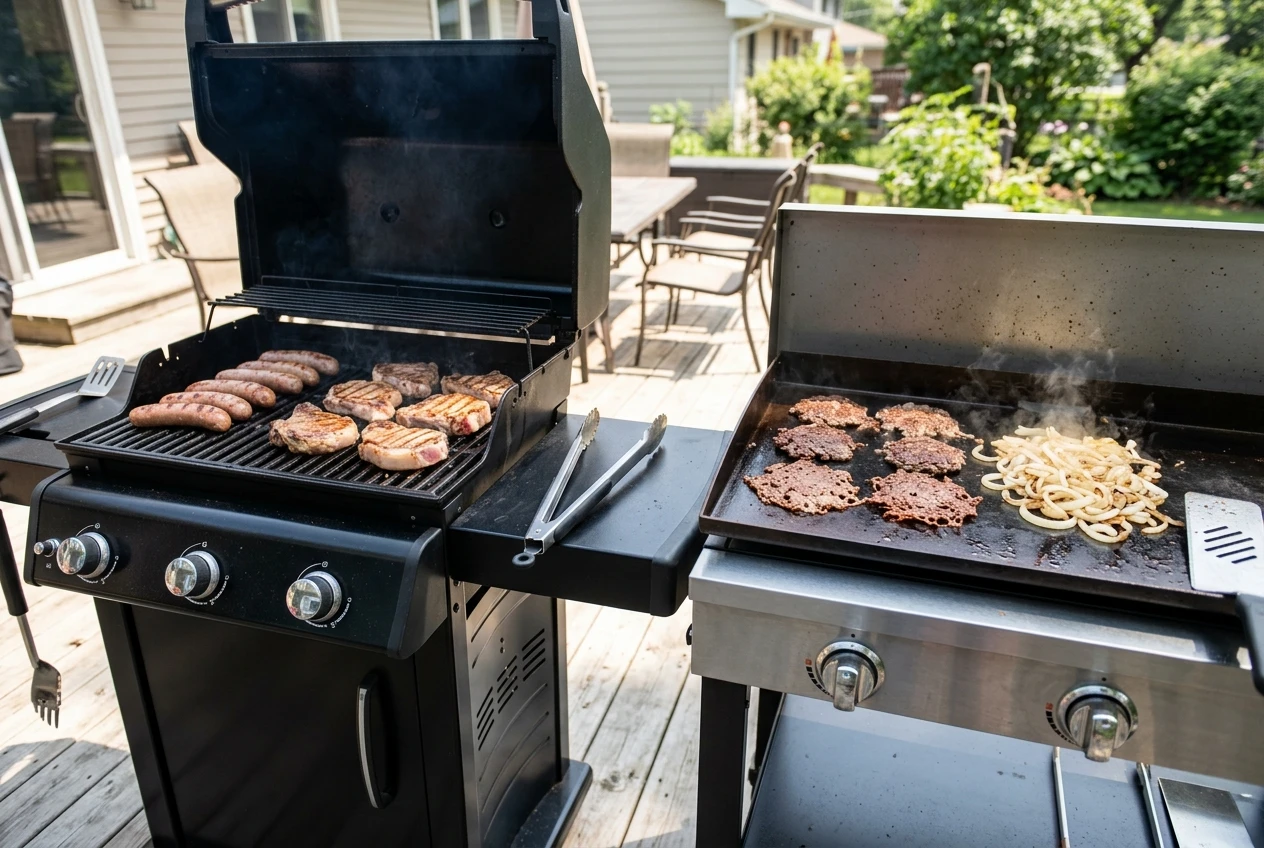
The site also has individual reviews and buying guides covering several brands and models, including Weber, Blackstone, Sahara and Wolf. If you want a shortlist, see Best Gas Grills 2026 and Best 3 Burner Gas Barbecue 2026.
Cooking techniques
How you apply heat decides how the food turns out. Grilling directly over the flame suits some foods, and others need gentler treatment. The technique articles explain the methods and when each one fits.
-
Direct Grilling Techniques covers cooking food right over the heat source.
-
Best Cooking Methods For Thick Pork Chops deals with a cut that is easy to overcook on the outside before the middle is done.
-
Best Tender Ribs Recipe walks through a recipe aimed at soft, tender meat.
Knowing when food is done
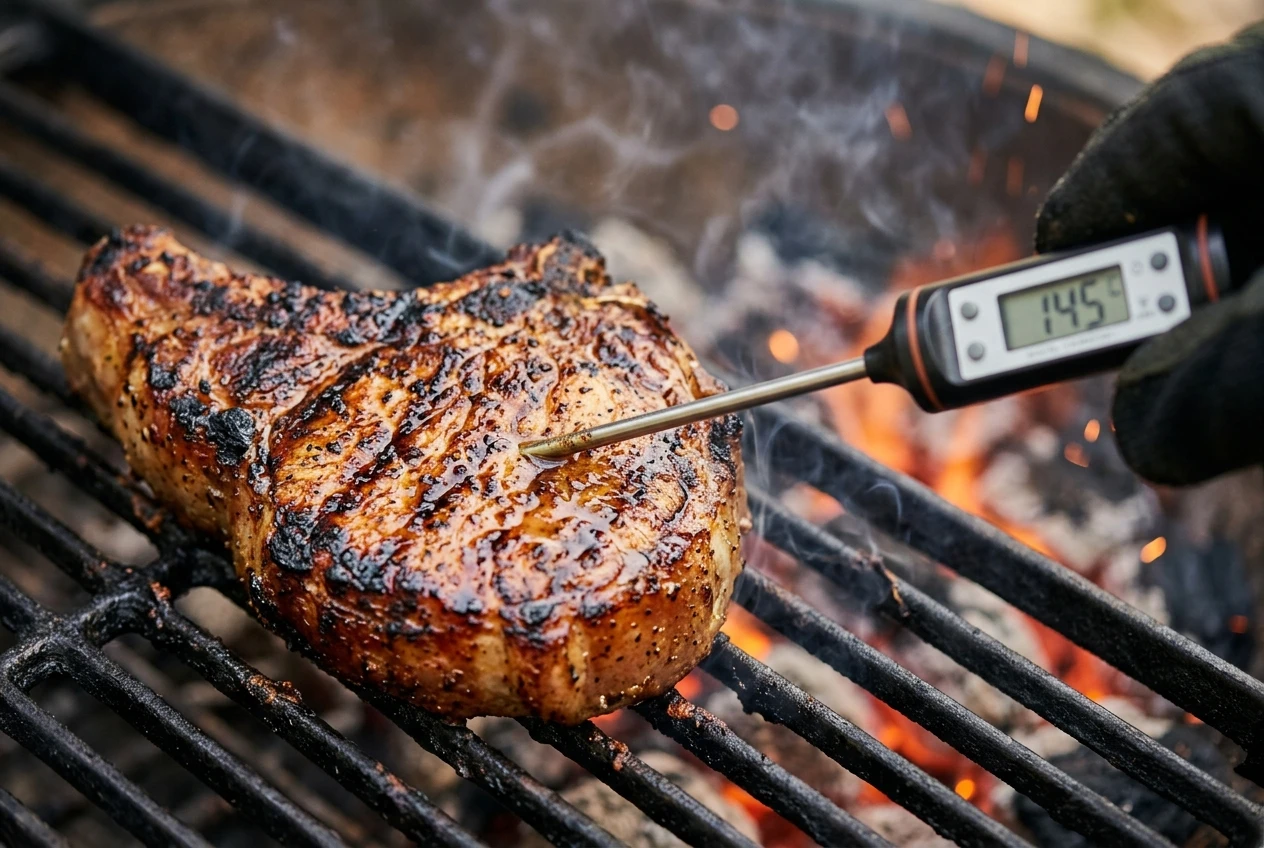
Cooking by the clock is unreliable outdoors, because grill temperature varies with the weather, the fuel, and how often you open the lid. Measuring the temperature inside the meat is more dependable than guessing from color or timing alone. The Right Grilling Thermometer for the Way You Actually Cook explains how to choose a thermometer that suits your style of cooking.
Looking after your equipment
A grill that is cleaned and maintained cooks more evenly and lasts longer. Fat and food residue build up on grates, burners, and griddle surfaces, so regular care is part of good cooking. Two guides cover this:
-
The Gas Grill Maintenance Guide That Actually Makes Your Grill Last Longer is for gas grill owners.
-
How To Clean Blackstone Griddle is for anyone with a flat-top.
Making the most of a small space
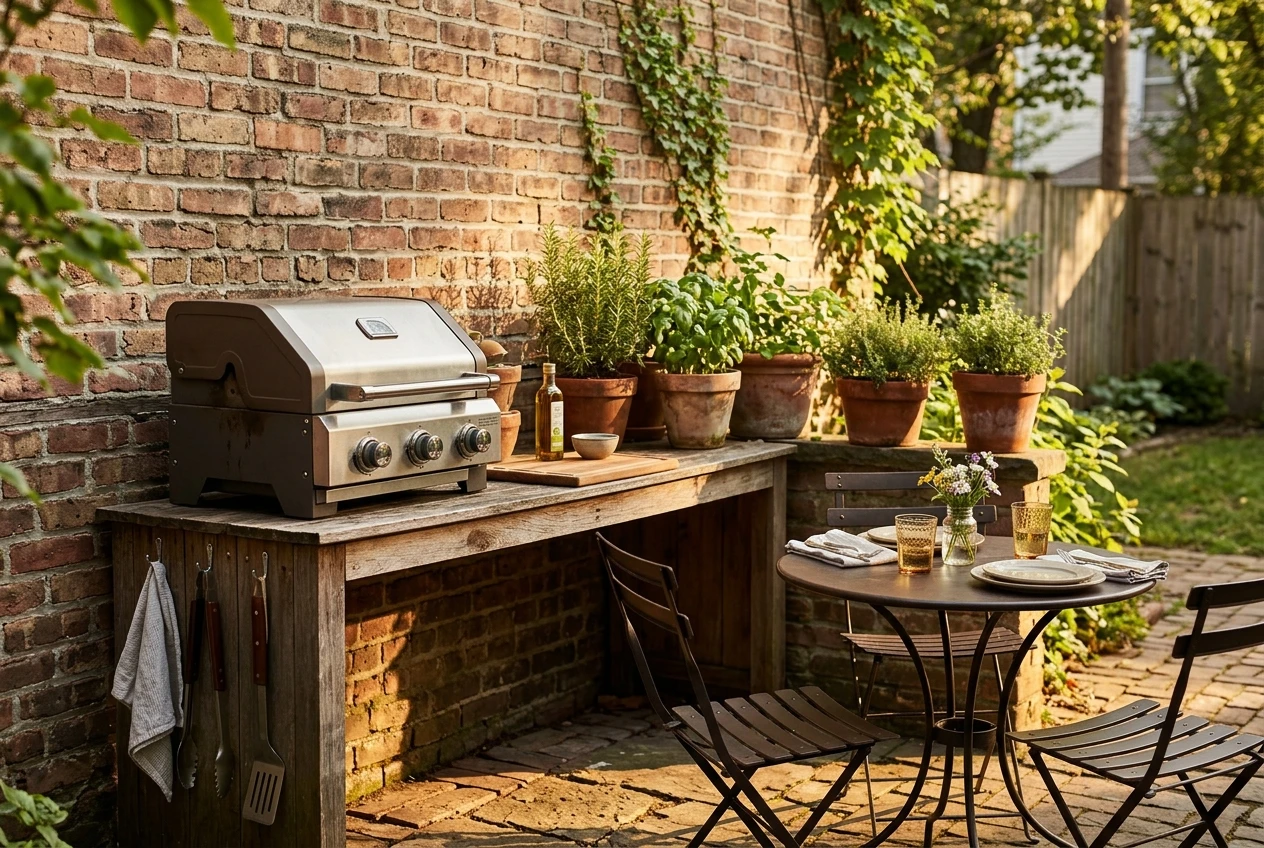
A good outdoor cooking area does not need a big garden. Outdoor Kitchen Design Ideas for Small Patios looks at how to set up a workable cooking area when space is limited.
How I choose what to write about
I write about the questions a butcher hears across the counter: what to buy, how to cook it, and how to tell when it is ready. The same questions come up again and again among people who cook outdoors, and I answer them as plainly as I can.
When I review a grill or griddle, the question that matters is whether it suits the person reading. A cook who feeds a family of five every Sunday needs different things from one who grills for two on a balcony. I try to say who each piece of equipment suits and who should look elsewhere.
A note on affiliate links
BBQ Guru earns money through affiliate links. Where a product is recommended, the link may pay the site a commission if you buy through it, at no extra cost to you. The commission does not change the price you pay.
That arrangement is why the advice has to be worth following. A recommendation only helps you if it matches how you cook, so I focus on fit rather than on pushing whatever sells.
How to get the most from the site
If you are not sure where to begin, use this order:
-
Buying a grill or griddle? Start with the comparison article, then read the reviews for the models you are considering.
-
Already own one? Read a technique article for the food you cook most often, such as the one on thick pork chops or ribs.
-
Overcooking or undercooking? Read the thermometer guide and start measuring the inside of the meat.
-
Grill looking tired? Work through the cleaning and maintenance guides.
Each article stands on its own, so you can read them in any order and skip the ones that do not apply to you.
Start with the grill you have
Good barbecue comes from steady habits: choosing decent meat, controlling the heat, checking the temperature, and keeping the equipment clean. Those habits work on a basic gas grill as well as on an expensive one.
If you want a first article to read, try Direct Grilling Techniques and put it to use at your next weekend cookout.