
Wolf outdoor grills are built for people who want more control over how they cook on the weekend. The features that matter most change what ends up on your plate: separate heat zones, an infrared sear option, lighting for cooking after dark, and stainless steel construction meant to live outdoors. This article goes through each one, explains what it does in practice, and points out what to confirm before you buy, because the exact lineup varies by model.
If you cook for family and friends on Saturdays and want a grill that handles a steak, a rack of vegetables and a side of sausages in the same session, these are the features to look at closely.
Cooking Versatility: Features That Set Wolf Apart
Versatility on a grill comes down to heat control. The more precisely you can set different temperatures in different parts of the cooking surface, the more kinds of food you can cook well in one session.
Multi-zone cooking
Multi-zone cooking means burners you control separately, so one side of the grill can run hot while the other stays low. That layout lets you sear a thick steak over high heat, then move it to the cooler side to finish without burning the outside. It also lets you cook chicken pieces gently while peppers and corn char over direct flame.
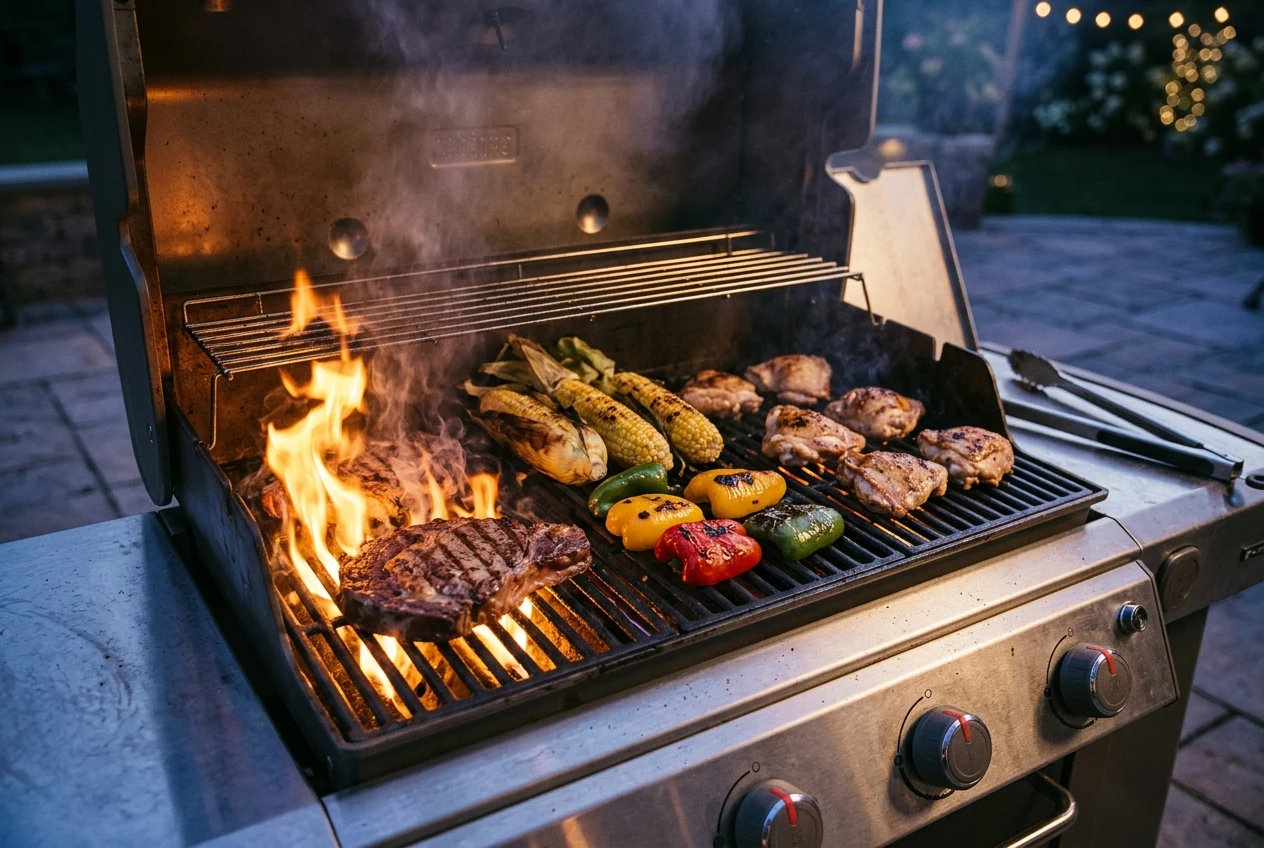
If you have never used this approach, the walkthrough on how to set up a two-zone fire on a gas grill explains how to arrange the burners and where to place big cuts. The technique works on any gas grill with independent burner controls, and a grill with well-defined zones makes it easier to repeat.
Infrared searing
Infrared burners heat a surface that radiates intense heat directly onto the food. The result is a fast, deep crust on steaks, chops and burgers, with the inside staying juicy as long as you pull the meat at the right temperature. Infrared is one of the features Wolf is known for, though which models include it, and how large the infrared zone is, depends on the grill. Check the spec sheet for the exact model.
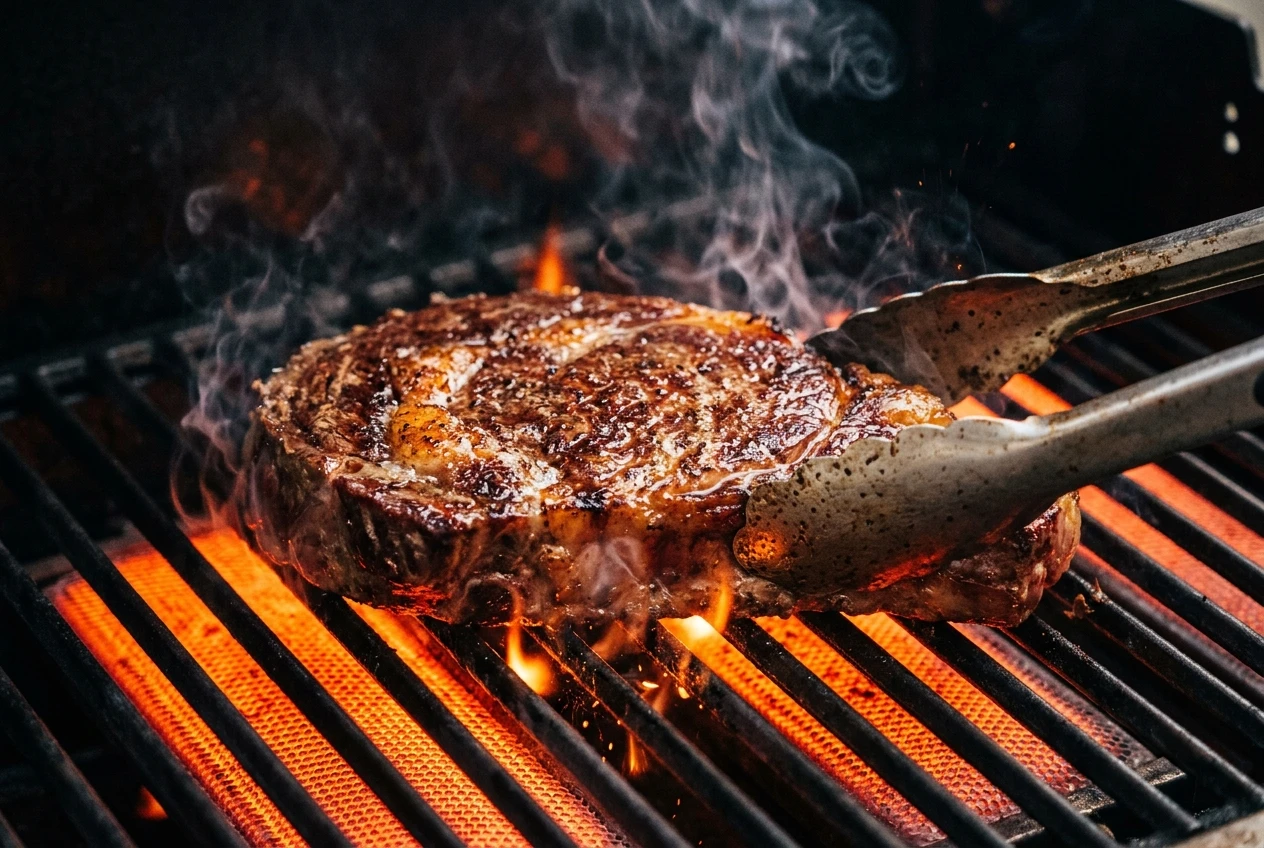
Infrared heat is strong enough to scorch thin or lean foods quickly. Use it for thick cuts, and stay at the grill while it runs. Move delicate fish and sliced vegetables to a milder zone.
Sear marks that look as good as they taste
Distinct sear lines come from contact between hot grates and dry meat. A few habits make them more likely on any grill:
-
Preheat the grates fully before the food goes on.
-
Pat the surface of the meat dry with a paper towel.
-
Oil the food lightly rather than the grates.
-
Leave the steak alone for the first few minutes so the crust can form before you flip it.
A grill that reaches high temperatures quickly and holds them gives you more room to get these marks right.
Built-in lighting
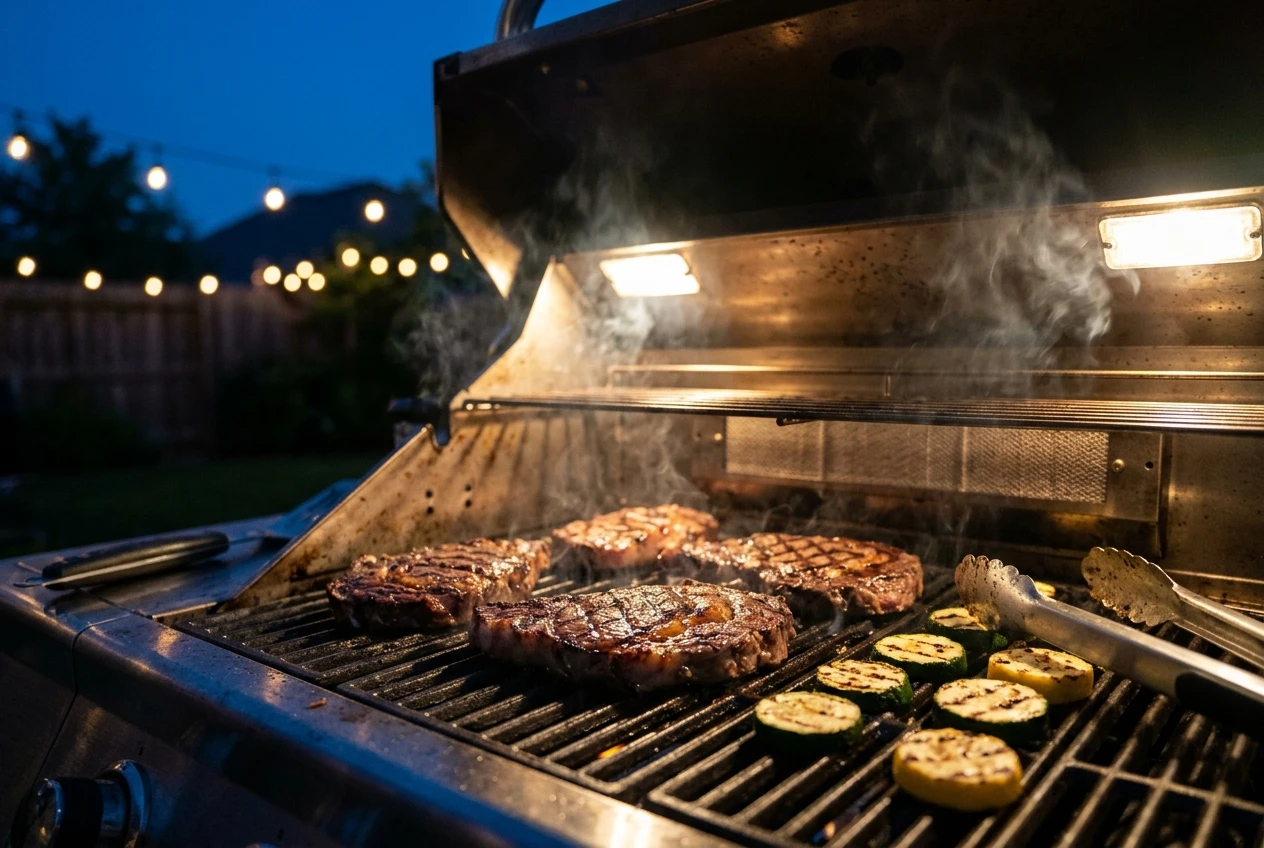
Evening cookouts are a big part of weekend barbecue, and judging doneness by color is hard in the dark. Lighting built into the grill lights the cooking surface, so you can see the crust and the grill marks without holding a flashlight. Lights help you judge browning, but they cannot tell you the internal temperature. For that, use a thermometer; this guide to the right grilling thermometer for the way you actually cook will help you choose one.
Durability: What to Check in a Grill Built to Last
A grill sits outside in sun, rain, humidity and temperature swings, so materials matter more than any other single factor in how long it lasts.
Stainless steel and corrosion
Stainless steel resists rust far better than painted or plain steel, which is why it is the standard material for premium outdoor grills. It is not immune, though. Salt air near the coast, grease buildup and long stretches of moisture can all cause surface rust and staining, even on good stainless.
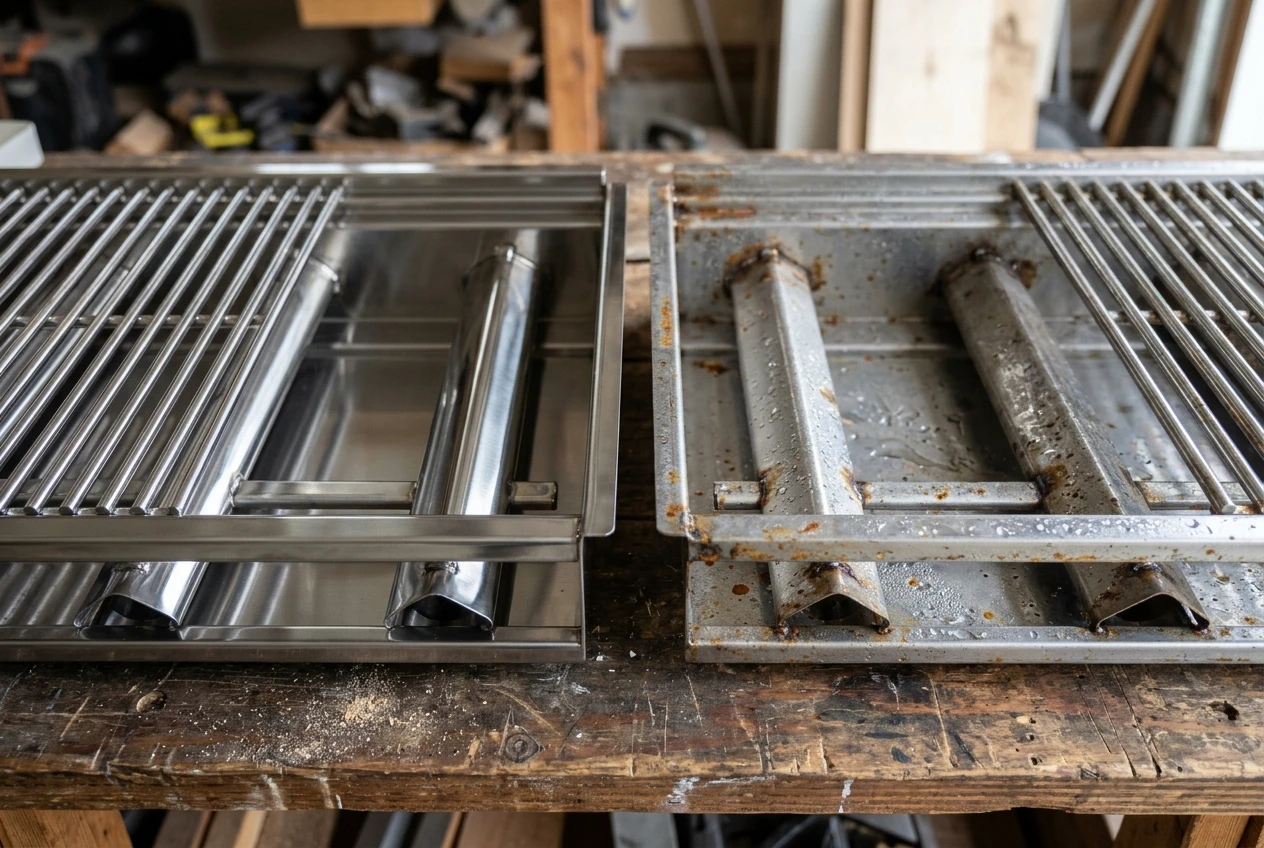
When you compare grills, ask which grade of stainless steel is used for the cabinet, the burners and the grates. Grade 304 contains more nickel than grade 430 and resists corrosion better, so it is a useful detail to look for in the specifications. A brand that publishes this information makes your comparison easier.
Weather and year-round use
Many people put the grill away in winter, but a well-built one can run through cool months if you clear snow from the vents and let the grill preheat longer in cold air. A fitted cover protects the finish from rain, pollen and bird droppings between cookouts, and it helps whichever model you own.
Warranties
A warranty is a statement about how much the manufacturer expects to repair. Read the terms for the specific model before you buy. Look at how long each component is covered (burners, cabinet, grates, ignition parts), what is excluded, and whether the coverage requires registering the grill. Warranty terms differ between models and can change, so rely on the manufacturer’s current documentation rather than a summary elsewhere.
Keeping it in good shape
Even durable materials last longer with routine care. Brushing the grates after each cook, emptying the grease tray and checking burner ports for blockages will prevent most of the problems that shorten a grill’s life. The gas grill maintenance guide lays out a schedule you can follow.
Usability for Beginners and Experienced Grillers
A good grill should make the cooking itself easier, whether you grill every weekend or only a few times each summer.
Controls and ignition
Smooth, well-marked control knobs let you set a burner and find it again next time. That repeatability matters most when you are running several zones at once, because you can set each one by feel and move on to the food. A reliable ignition system that lights the burners on the first or second try saves time, especially when guests are waiting.
Cleaning
Cleaning is the part of grilling most people put off. Features that help include a removable grease tray, grates that come out easily, and a cooking surface you can brush clean while it is still warm. Cleaning right after a cook, while the residue is soft, takes a couple of minutes. Waiting until the next weekend makes the job harder.
Accessories
Accessories extend what a grill can do. Common options on premium gas grills include:
-
A rotisserie kit for whole chickens and roasts.
-
A griddle plate for breakfast foods, smash burgers and vegetables.
-
A side burner for sauces and sides.
-
Covers sized to the grill.
Accessories are usually made for particular models, so confirm that the add-on you want fits the grill you are considering. If you are weighing a flat-top griddle against a standard grill, the comparison of a Weber gas grill and a Blackstone griddle shows how to decide based on what you cook most.
Choosing the Right Wolf Model for Your Weekends
Wolf makes more than one grill, and the best choice depends on how you cook. Work through these questions before comparing models:
-
How many people do you usually feed? A larger cooking surface helps when you host, but it costs more and needs more space.
-
Which fuel do you have available? Check whether the model you want runs on propane, natural gas or both, and whether it can be converted.
-
Is the grill freestanding or built in? A built-in grill belongs in an outdoor kitchen plan, and a freestanding one can move if you rearrange the patio.
-
How much space do you have? Measure the area, including clearance around the grill. The ideas for outdoor kitchen design on small patios are useful if space is tight.
-
Which features will you use? If you rarely sear steaks, an infrared zone is less valuable to you than a roomy cooking area and an easy-to-clean design.
Write down your answers before you look at spec sheets. A grill with fewer features that matches how you cook will be more satisfying than one with every option you never use.
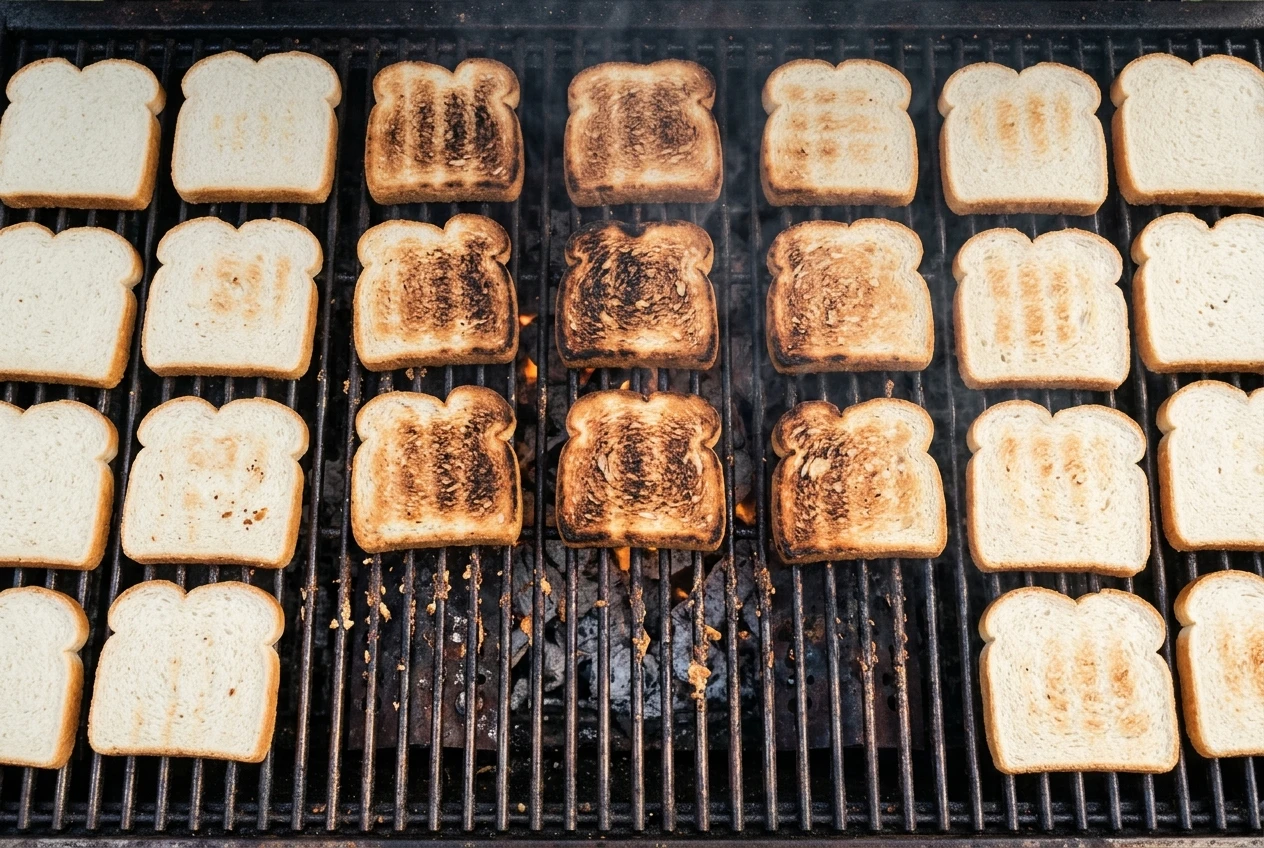
A final practical point: whatever grill you choose, learn its hot spots. Lay slices of bread across the grates on a preheated grill, and see which pieces toast fastest. That quick test shows you where the heat is strongest, and it makes every steak, chicken thigh and pepper you cook afterward more predictable.