

Barbecue has always changed slowly, but the gear is changing faster now. Grills connect to phones, pellet controllers hold a set temperature on their own, and fuel and tableware choices are shifting toward lower-impact options. For a weekend barbecuer who cooks a few times a month, the useful question is which of these trends actually improves a cookout.
This guide covers four areas of BBQ technology: connected grills, eco-friendly gear, fuels beyond gas, and gadgets that affect flavor. Each section says what the technology does, where it falls short, and who it suits.
Smart Grills: Wi-Fi, Bluetooth, and Apps
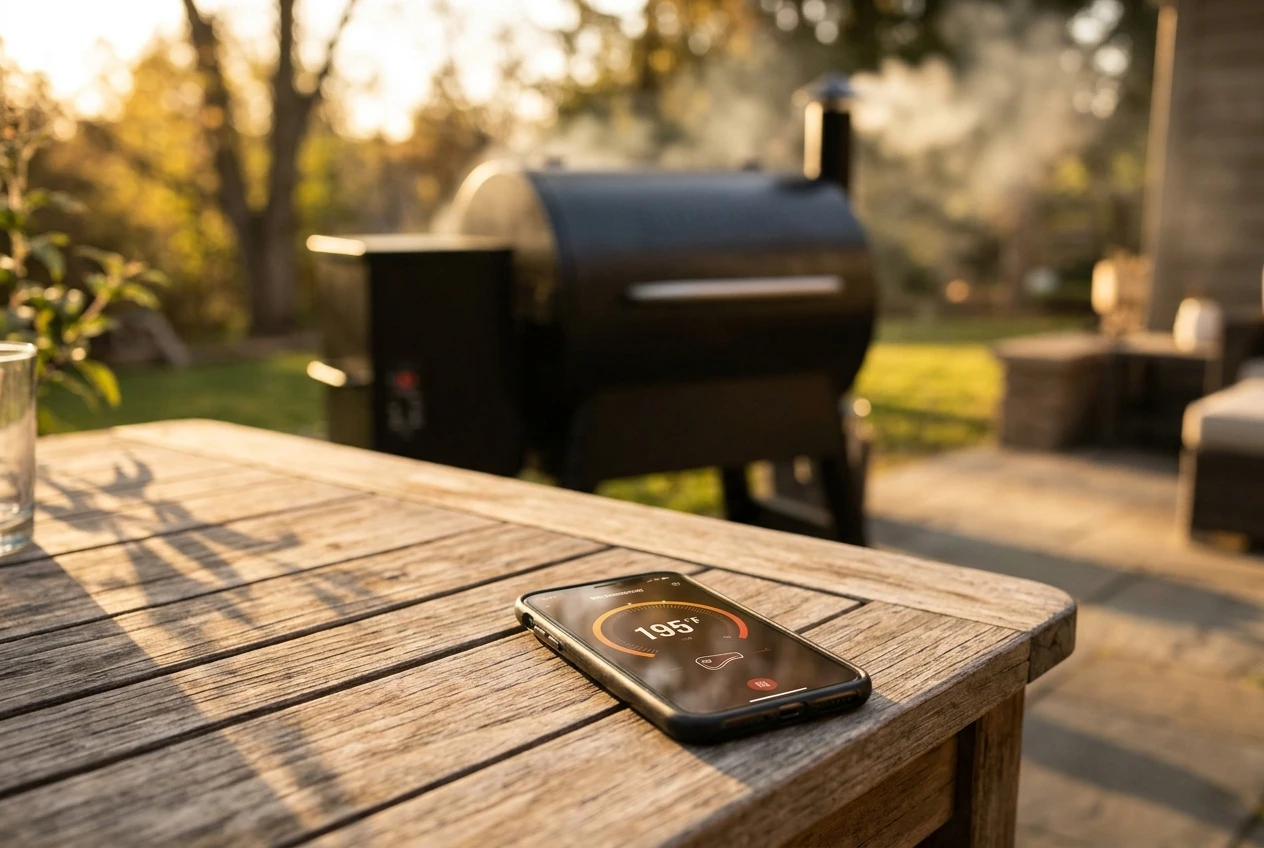
Most connected grills and thermometers use one of two connections. Bluetooth works over a short range, roughly the distance of your yard or patio. Wi-Fi uses your home network, so you can check a cook from the living room, the driveway, or a store, as long as the grill has a signal.
What you can see and control depends on the product. Common features include:
-
Live grill temperature and food temperature on your phone
-
Alerts when the food reaches a target temperature
-
Remote changes to the set temperature on grills with a motorized controller
-
Cook timers and guided cooking programs inside the app
Weber and Traeger both sell grills with app connectivity, and many standalone wireless thermometers do the monitoring part for a much lower price. If an alert is the main thing you want, a good probe covers most of it. Our guide to the right grilling thermometer for the way you actually cook explains how to choose one.
What “AI” means on a grill
Some brands market their temperature control as artificial intelligence. In practice, a pellet grill controller reads a temperature sensor, then adjusts how many pellets are fed and how fast the fan runs to stay near your set point. That is a feedback loop, and it does hold temperatures steadier than most people can by hand. Whether a given grill does it well is something to check in reviews rather than assume from the label.
If you are weighing this type of cooker, our roundup of the best pellet smokers under $1000 covers what to look for at a beginner-friendly price.
Remote control is not the same as unattended cooking
A phone app lets you adjust the heat from a distance, but it cannot see a grease flare-up or a gust of wind blowing out a burner. Stay close enough to hear and see the grill, especially with gas, and treat the app as a convenience for checking in. Keep the lid and surrounding area clear of anything that could catch fire.
Eco-Friendly BBQ: Sustainable Options for Weekend Cooks
Grilling uses fuel, creates packaging waste, and often involves single-use plates and utensils. Each of those has a lower-impact option, and a few are easy to adopt.
Solar cookers
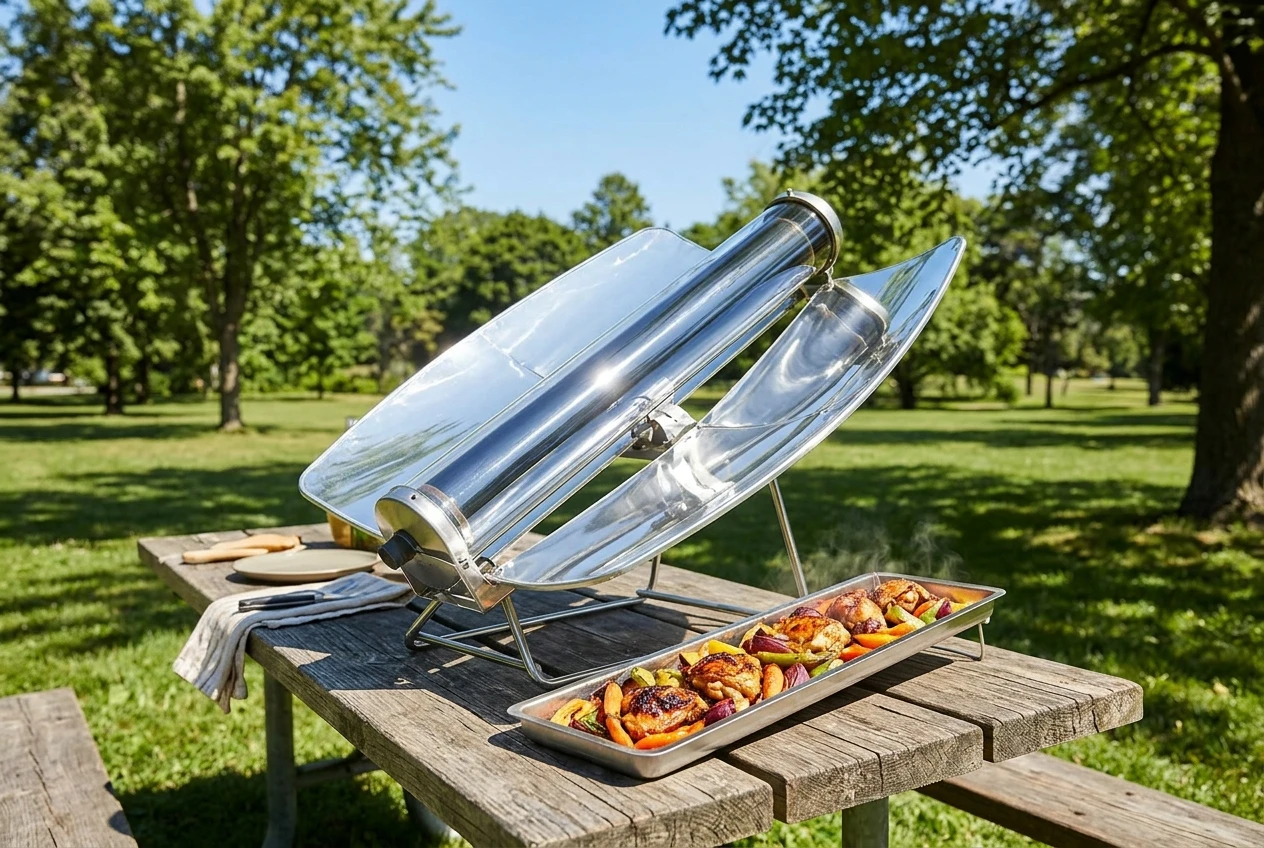
Solar cookers such as those from GoSun collect sunlight and cook without any fuel. They suit sunny days and patient cooks. They are not a replacement for a gas or charcoal grill if you want a hard sear, because they cook with gentler heat. They work better for roasting vegetables, cooking chicken, or reheating, and they are a good fit for camping or a sunny afternoon at the park.
Tableware and accessories
Compostable plates and utensils made from bamboo, sugarcane, or cornstarch-based materials are widely available. Sturdy ones hold up under a pile of ribs and sauce. Check the label for certification, because “biodegradable” on its own does not tell you where the item can actually be composted. Many products need commercial composting, not a backyard bin.
Reusable options cut the most waste. A set of inexpensive plates, a stack of cloth napkins, and a reusable grill brush or scraper will outlast a lot of disposable packs.
Fuel sourcing
If you cook with charcoal or lump wood, look for products that carry a forest management certification, such as an FSC label. That tells you more about where the wood came from than a “natural” label does.
Going Beyond Gas: Fuel Alternatives in BBQ Technology
Gas is still the most common choice for weekend cooking because it lights quickly and adjusts easily. Newer fuels and designs give you other trade-offs in flavor, cleanup, and convenience.
Electric grills
Electric grills heat with an element, so there is no open flame, and they produce little smoke. That makes them a practical option for balconies and housing where open flame or charcoal is restricted, though you should check your own building rules. They deliver convenience and easy temperature control. The trade-off is flavor: they will not give you the same smoky character as wood or charcoal.
Wood pellets
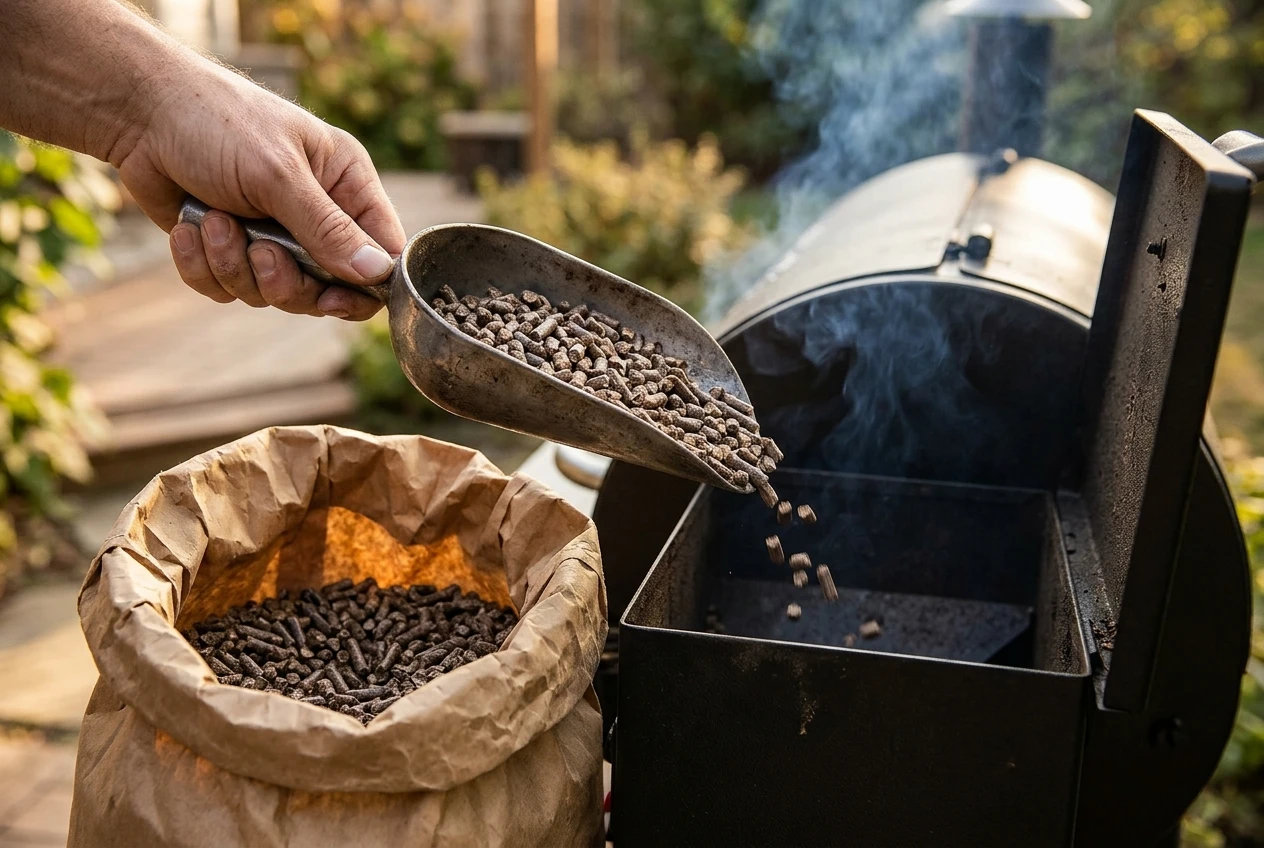
Pellet grills burn compressed wood pellets, usually made from hardwood sawdust, fed by an auger and fan. You get real wood smoke and low-effort temperature control in one machine. They tend to be at their best for smoking and roasting, and some models sear less aggressively than a gas grill. They need electricity to run the auger and fan, and the pellets must stay dry.
Briquettes from alternative materials
Some briquettes are made from coconut shells or compressed sawdust instead of traditional charcoal ingredients. They are often sold as a renewable option that burns steadily with little ash. Performance varies by brand, so try a small bag before you plan a big cook around it.
Dual-fuel and hybrid setups
Some grills combine gas and charcoal in one cooking area, or pair a gas burner with a smoker box. These can suit someone who wants quick weeknight cooking with gas and occasional smoky weekend cooks with charcoal, without owning two grills.
Is gas still worth it?
Yes, for many people. A well-maintained gas grill lasts a long time, and a good one gives you strong heat and easy control. If you are shopping, see our picks for the best gas grills 2026, and use the gas grill maintenance guide to get more years out of the one you own.
Tech That Improves Flavor
Flavor on a barbecue comes from a short list of things: seasoning, smoke, temperature control, and resting the meat. The gadgets that help most are the ones that improve one of those. Be skeptical of products that promise to infuse flavor automatically, because they rarely do more than a good rub, a decent smoke, and the right internal temperature.
Better smoke
-
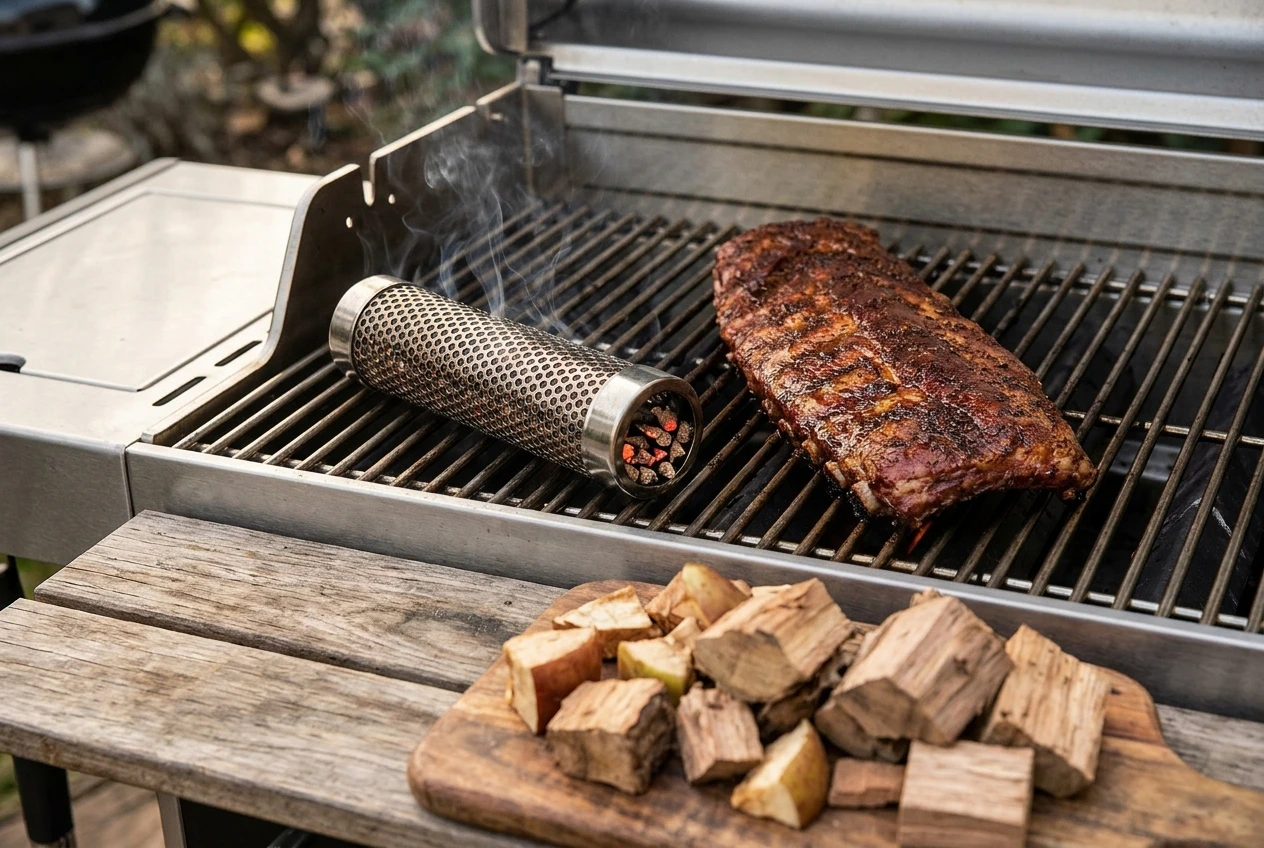
Smoke tubes and smoke boxes: These burn wood pellets or chips to add smoke to a gas grill or a pellet grill. They are inexpensive, and they let a gas grill produce some smoky flavor.
-
Pellet grill smoke settings: Many pellet grills run at low temperatures to produce more smoke early in a cook. Check your manual to see how yours handles low-and-slow cooking.
-
Wood choice: Different woods give different flavors. Hickory and oak are stronger, while apple and cherry are milder. Match the wood to the meat so the smoke does not overpower it.
Better temperature control
Wireless probes remove the need to open the lid and check food, which keeps heat in the grill. Many let you set a target and walk away until the alert goes off. For thick cuts, such as pork chops, temperature matters more than the clock. Pull the meat when it reaches the doneness you want, then let it rest.
Better timing
App-based cooking programs and timers give you a rough plan for a cook, such as when to wrap, when to sauce, and when to rest. Treat the times as estimates, since weather, meat thickness, and grill setup all change how long a cook takes. For a rib cook, the best tender ribs recipe shows how timing and temperature work together.
How to Choose the BBQ Tech That Fits Your Weekends
Start with how you cook, then pick the technology that solves a real problem.
-
You cook quick meals on gas: Add a wireless thermometer and a smoke tube before you buy a new grill.
-
You want smoked meat without watching the fire: A pellet grill with a good controller is the closest match.
-
You live where open flame is restricted: An electric grill is worth a look.
-
You want to lower your footprint: Switch to reusable or certified compostable tableware, and choose certified wood fuel.
-
You like to experiment: A dual-fuel grill or a solar cooker gives you something different to try.
Not every trend needs a purchase. A phone app, a probe, and a clean grill will improve most weekend cookouts more than a pile of new gadgets. Pick one change, use it for a few cooks, and add the next one when you know what you are missing.