

If you cook on weekends, a pellet grill gives you smoke flavor, a set-it-and-leave-it temperature, and a fire you never have to build. This guide covers how the grill works, which features matter when you shop, how to compare brands, and how to keep the grill running well once it is in your backyard.
How a Pellet Grill Works
A pellet grill has four main parts: a hopper, an auger, a fire pot, and a digital controller. You fill the hopper with wood pellets. The auger carries them to the fire pot, where an electric igniter lights them. A fan keeps the fire burning and circulates hot, smoky air around the food.
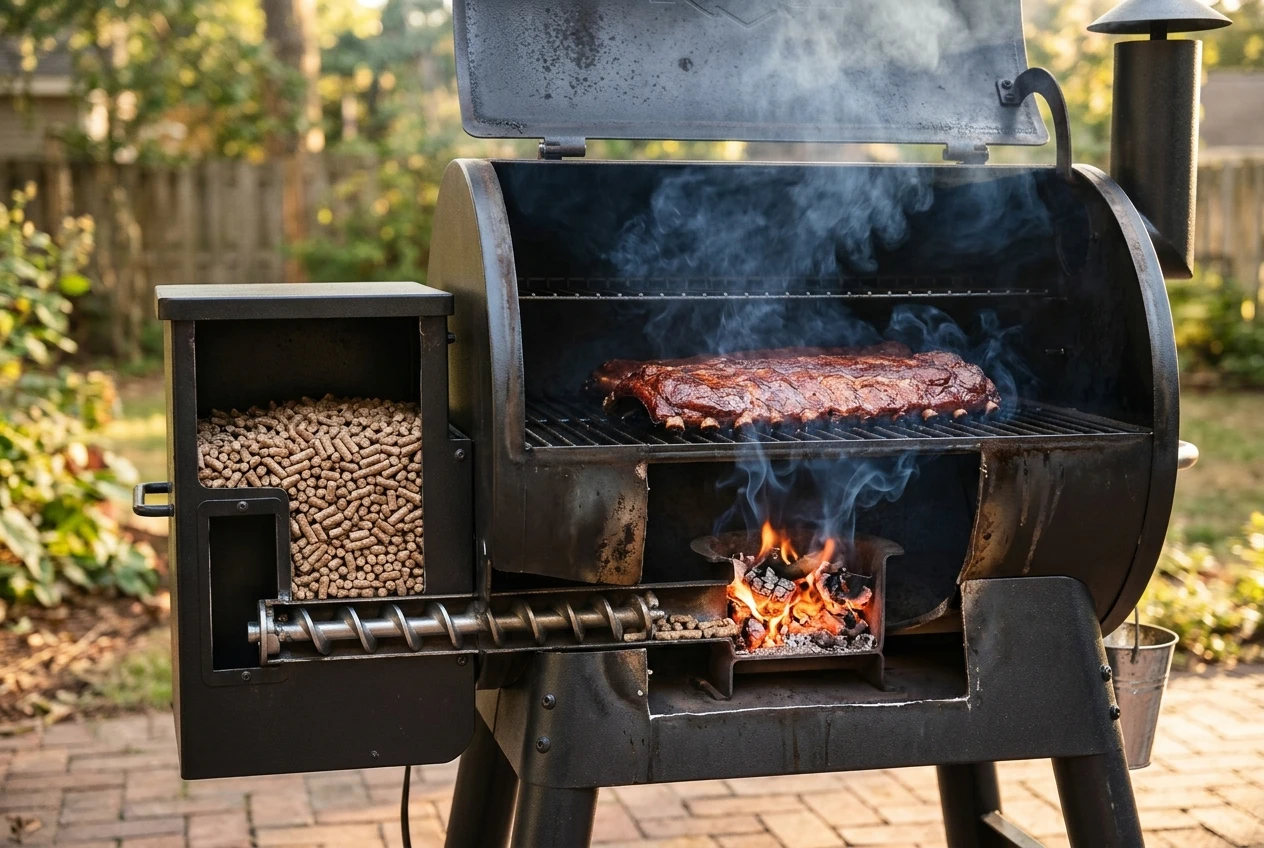
The controller reads the temperature inside the cooking chamber and decides how fast the auger feeds pellets. More pellets mean more heat, and fewer pellets mean less. That is why you can set a dial or an app to a number and the grill will hold close to it for hours.
Most pellet grills cook with indirect heat, so the food sits next to the fire instead of over it. That suits brisket, ribs, pork shoulder, whole chickens and anything else that benefits from slow, even cooking. It also means a standard pellet grill browns food less aggressively than a gas or charcoal grill does. If searing steaks matters to you, check whether a model has a direct-flame option before you buy. If you are still deciding between the two styles of cooking, gas grill vs pellet smoker lays out which one fits different weekend habits.
What Wood Pellets Do for Flavor
Pellets are compressed hardwood sawdust, and the wood they are made from sets the flavor. Hickory gives a strong, classic barbecue smoke. Mesquite is sharper and works best on short cooks. Apple and cherry are milder and a little sweet, which suits pork and poultry.
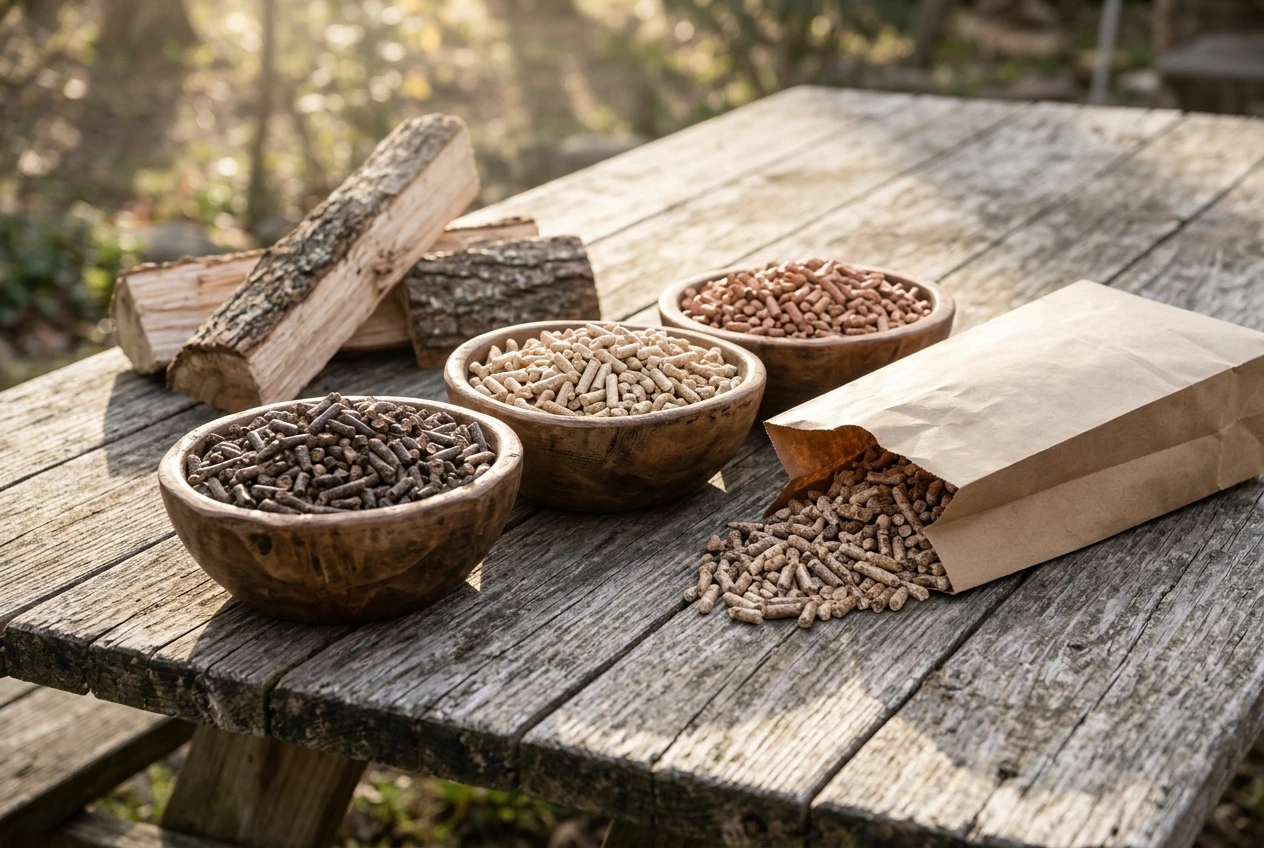
A few habits make pellets work better:
-
Buy pellets labeled for cooking. Pellets sold for heating a home are not made for food.
-
Keep them dry. Pellets that absorb moisture swell and crumble, and they can jam the auger.
-
Store opened bags in a sealed container, not loose in the hopper for weeks between cooks.
-
Try blends or single woods in small batches so you can tell what each one does.
Pellets are made from sawdust left over from wood processing, so they use material that might otherwise be thrown away. That is a reasonable point in their favor, but it is not a reason to buy a grill by itself. Choose it for how it cooks.
Features to Look for in a 2026 Pellet Grill
Grills at every price now come with a long list of features. These are the ones that change how the grill performs.
Temperature Control
Steady temperature is the main reason to buy a pellet grill. Look at the controller: does it hold a set temperature, and does it show the actual chamber temperature? Check the stated temperature range too, especially the low end, since low and slow cooking depends on it. Reviews that report how far the temperature swings during a long cook tell you more than the spec sheet does.
Wi-Fi and App Control
Wi-Fi lets you check and change the temperature from your phone and get an alert when the food reaches its target. It is useful on a long cook when you want to stay inside or run an errand. A grill still works without it, so treat it as a convenience and do not pay a large premium for it unless you will use it. If you buy it, check recent app reviews, since a poor app is an annoying feature to live with.
Cooking Area and Hopper Size
Match the grill to the food you cook most. Count how many racks of ribs, chickens or burgers you want on at once, then compare that with the listed cooking area. A bigger grill uses more pellets and takes more room, so a household that cooks for four does not need a grill built for a crowd of twenty.
Hopper size matters for long cooks. A larger hopper means fewer refills during an overnight brisket.
Build Quality and Materials
A pellet grill sits outside and holds heat for hours. Look at the thickness of the steel, how tightly the lid closes, and whether the paint and finish are rated to handle weather. Stainless steel resists rust, so it is worth checking which parts are stainless and which are only coated. Leave a good cover on the grill whenever it is not in use.
Cleanout and Grease Management
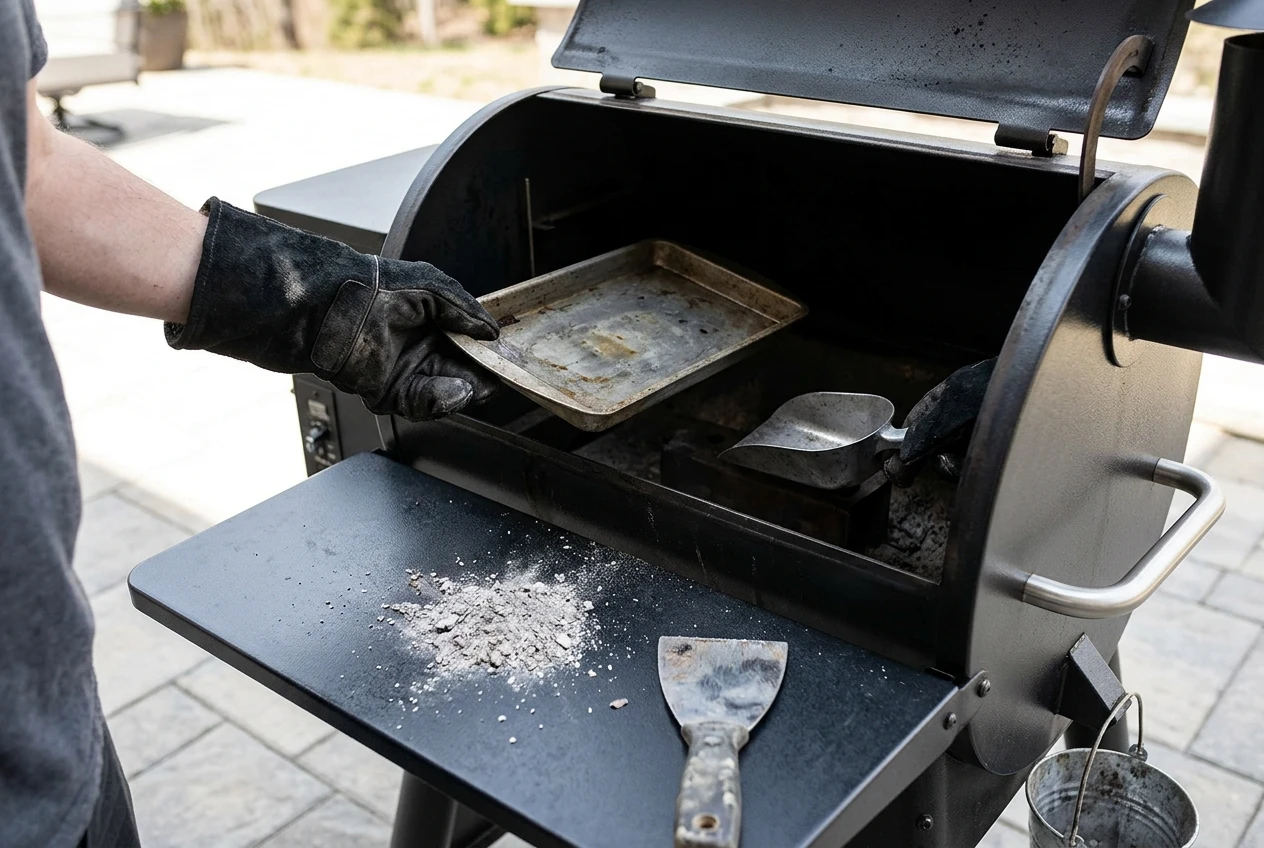
Ash and grease collect in every pellet grill. A grill with an easy way to empty the fire pot and a grease tray you can reach without taking the grill apart will get cleaned more often. Look for this detail in photos and reviews before you decide.
Warranty
A warranty tells you what the maker expects to hold up. Read what it covers, how long it lasts, and whether it applies to the controller and igniter, the parts most likely to fail on a pellet grill. A long warranty on the body and a short one on the electronics deserves a second look.
Top Pellet Grill Brands and Models of 2026
Traeger, Pit Boss and Camp Chef are three names you will see again and again when you search. All three sell a range of sizes and prices, and all three have large owner communities, which means replacement parts, recipes and troubleshooting advice are easy to find. That support matters when you own a grill for years.
Newer brands are worth a look too. They sometimes offer more cooking area or extra features at a lower price. The tradeoff is a shorter track record, so check how long the company has been selling grills, how easy it is to buy parts, and how it handles warranty claims.
How to Read Reviews
Customer reviews tell you what a spec sheet cannot. Look for:
-
Reports about temperature holding over long cooks, not just the first weekend.
-
Comments on how the grill has held up after a season or two outdoors.
-
How the company responded when a part failed.
-
Complaints that appear again and again, which are more reliable than a single bad review.
Be careful with reviews that read like advertisements, and weigh reviews from people who cook the way you do. A competition cook and a weekend beginner want different things from the same grill.
Price Versus Performance
A higher price usually buys a larger cooking area, thicker steel, better controllers and more connected features. A lower price can still cook good food, as long as the temperature control is steady and the build is sound. Decide what you will actually use before you compare models. If your budget is around $1,000 or less, best pellet smokers under $1000 covers options aimed at weekend beginners.
Getting the Most Out of Your Pellet Grill
Clean It Regularly
Ash and grease build up in a pellet grill, and a buildup can affect how it lights and how steadily it holds heat. Empty the ash from the fire pot, scrape the grates, and clear the grease tray on a regular schedule. Check the manual for how often and how to do each job. Grease that collects in the cooking chamber is also a fire risk, so do not skip it.
Start With Simple Cooks
A whole chicken, bone-in chicken thighs or a rack of ribs are good first cooks. They are forgiving, and they teach you how the grill behaves: how long it takes to preheat, how the smoke tastes at different temperatures, and where the hot spots are. Once those feel easy, move on to a pork shoulder or brisket.
Use a Separate Thermometer
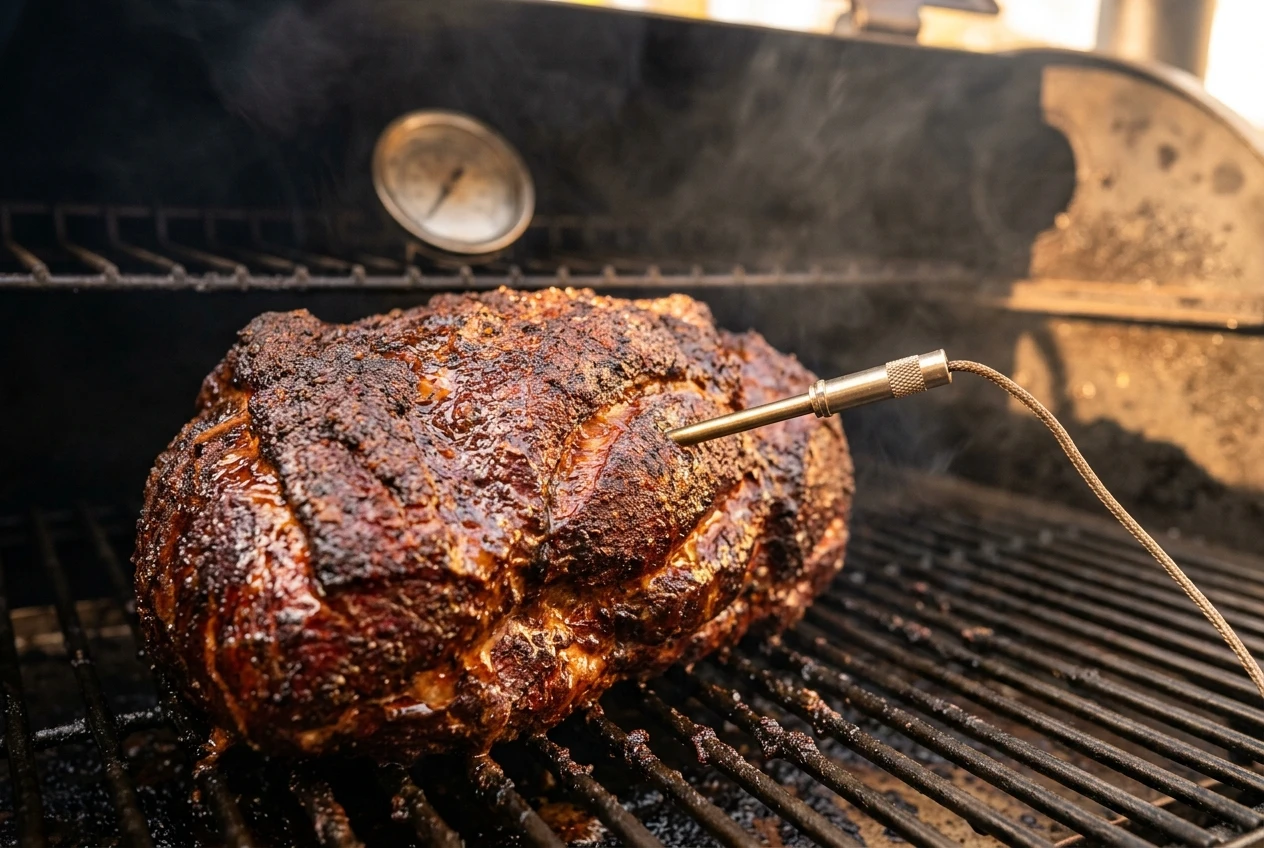
Built-in probes and the grill’s own thermometer can read differently from the temperature at the grate or inside the meat. A separate instant-read or leave-in thermometer lets you check the food itself and confirm that the grill is accurate. Cook to the internal temperature of the meat, not to a time written in a recipe.
Place and Operate It Safely
Set the grill on a flat, stable, non-flammable surface and keep it away from walls, fences, low branches and anything that burns. Keep a fire extinguisher nearby and read the manual for the startup and shutdown steps. Never leave the grill running with the lid open and nobody watching. Always follow the manufacturer’s instructions for what to do if the fire pot does not light.
Experiment With Wood
Once you know how the grill behaves, change one thing at a time. Cook the same cut with apple pellets one weekend and hickory the next, and compare. A blend you like for pork may not work for beef, and you will only find that out by tasting.
A Short Checklist Before You Buy
Use these questions to narrow your choices:
-
Does the cooking area fit the food you cook most often?
-
Does the listed temperature range cover the low and slow cooks you want?
-
Can you empty the fire pot and clear the grease tray easily?
-
Do reviews report steady temperatures after a season of use?
-
Does the warranty cover the controller and igniter?
-
Are replacement parts and support easy to get?
-
Will you use Wi-Fi control, or is it only a nice extra?
A grill that answers yes to most of these will serve a weekend cook well for years. Start with the questions that matter most for the food you plan to make, and let the rest of the feature list break any ties.