

BBQ pulled pork comes from the Southern United States, and it now turns up at barbecue joints and backyard cookouts all over the world. A well-cooked shoulder is tender, juicy and smoky enough to eat with a fork, and it is hard to get wrong if you keep the temperature low and give it enough time. This guide covers the cut, the rub, three ways to cook it, how to pull it, and how to serve and store it.
Pulled pork is popular at gatherings because it adapts to whatever your guests like. You can pile it on a bun, spoon it over nachos or put it in tacos. The flavour can run spicy, tangy or sweet depending on the rub and sauce. It is also one of the cheaper ways to feed a crowd, since pork shoulder costs far less per pound than most cuts you would put on a grill.
Regional styles give you plenty to try. North Carolina is known for a thin, vinegar-based sauce, while Kansas City leans on a thick tomato-based one. Memphis is known for dry rubs, and many cooks there serve the pork with little or no sauce. Once you have the basic method down, you can borrow from any of them.
Essential Ingredients for the Ultimate Pulled Pork
The pork
Buy a pork shoulder or pork butt. Both come from the shoulder of the pig (the butt is the upper part), and both are well-marbled with fat and connective tissue. Over a long, slow cook, that fat melts and the connective tissue turns to gelatin, which is what keeps the meat juicy. A bone-in cut takes a little longer to cook, but the bone adds flavour and gives you an easy doneness check: when it slides out cleanly, the meat is ready.
The rub
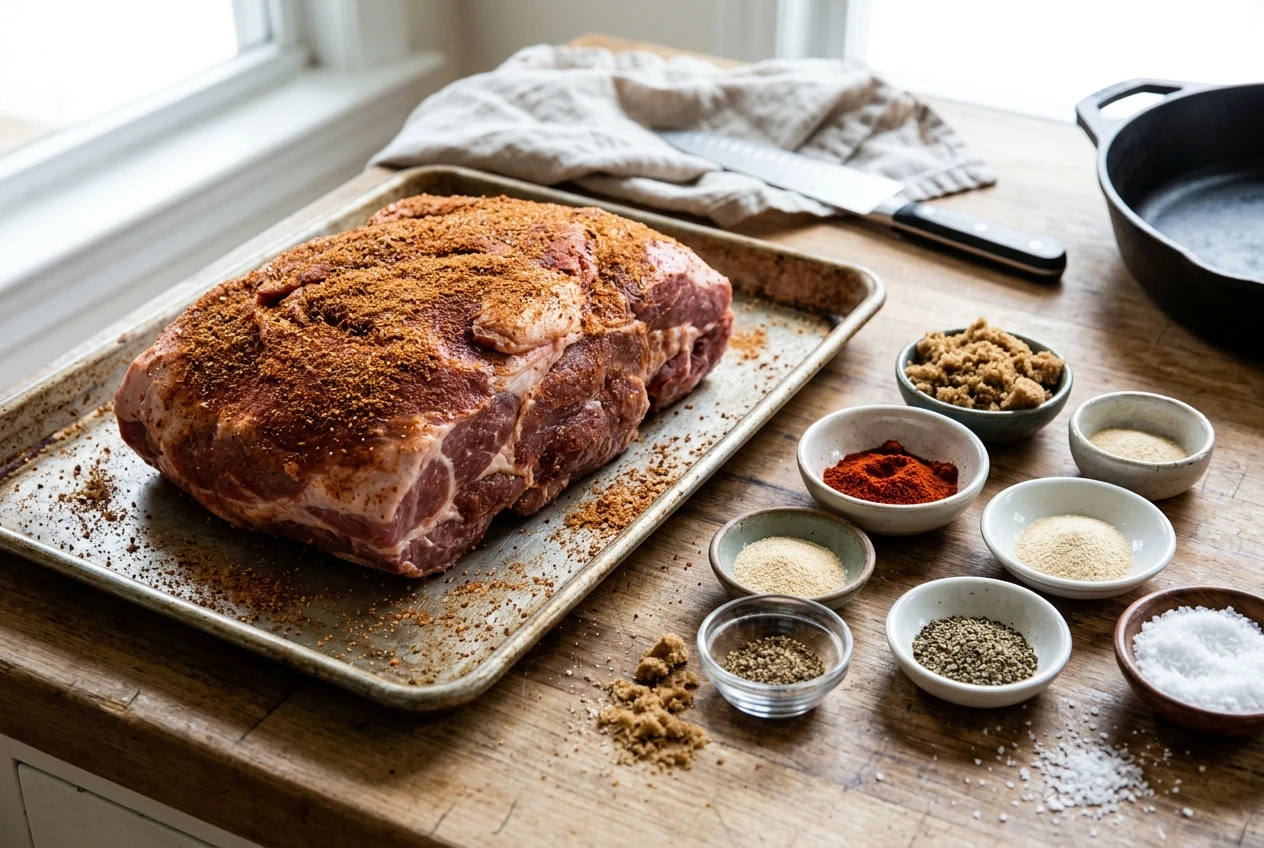
A rub for pulled pork usually combines sweet, savoury and smoky ingredients. A good starting mix for one shoulder of six to eight pounds:
-
1/4 cup brown sugar
-
2 tablespoons paprika (smoked paprika if you want extra smoke)
-
1 tablespoon each of garlic powder, onion powder and black pepper
-
1 tablespoon kosher salt
Store-bought rubs work fine. Mixing your own lets you cut the sugar, add cayenne for heat or swap in other spices. Whichever you use, cover the whole surface of the meat, including the crevices.
The cooking liquid
Liquid in the pan or cooker keeps the air moist and gives you something to baste with. Apple cider vinegar is a popular choice because it adds a mild tang that suits pork. Beer, chicken broth, or a half-and-half mix of apple juice and water also work. You only need a modest amount, roughly a cup, because the pork releases its own juices as it cooks.
Wood and smoke
If you are using a smoker, the wood you choose changes the result. Hickory gives a strong, classic barbecue smoke. Apple is milder and slightly sweet, and mesquite is the most intense of the three, so use it sparingly. Many cooks blend hickory with apple to get a balance. Try one at a time on separate cooks so you can tell what each one does.
The sauce
Sauce is a finishing touch, so choose one that suits the style you want. A sweet, tomato-based sauce goes well with the brown sugar in the rub, and a thin vinegar sauce cuts through the richness of the fat. Homemade and good store-bought sauces both work. Add it gradually, since you can always add more but cannot take it out.
Step-by-Step Guide to Preparing Pulled Pork
Trim and season
Trim any thick, hard fat from the outside of the shoulder, but leave a layer of about a quarter inch so the meat stays moist. Pat the surface dry with paper towels, because a dry surface holds the rub better and forms a better crust.
Rub the spice mix over the pork and press it in so it sticks. Let the meat sit at room temperature for about an hour, or wrap it and refrigerate it overnight for deeper flavour. If you are short on time, you can season and cook straight away and still get a good result.
Cook it low and slow
All three methods below aim for the same finish: an internal temperature of about 195°F (90°C). At that point the connective tissue has broken down and the meat pulls apart easily. The times given are estimates for a mid-sized shoulder. A bigger cut takes longer, and every cooker runs a little differently, so go by temperature and not by the clock. A reliable probe thermometer makes this much easier, and the guide to the best meat thermometer for grilling covers how to choose one.
Oven. Preheat to 250°F (121°C). Put the pork in a roasting pan, pour in the cooking liquid and cover tightly with foil. Cook for roughly 4 to 6 hours for a smaller shoulder, checking now and then that the pan has not dried out.
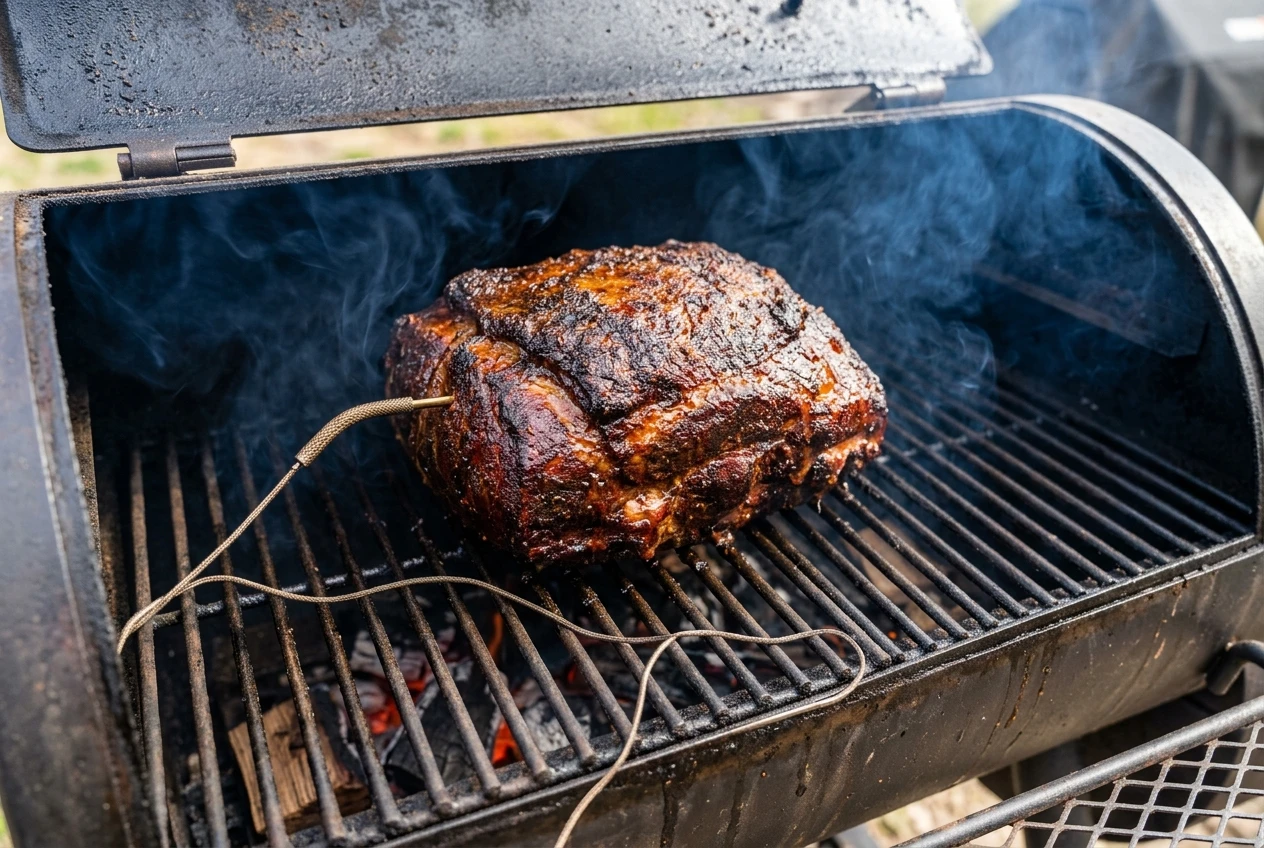
Smoker. Preheat to 225°F (107°C) and smoke the pork for roughly 6 to 8 hours, adding wood as needed. Baste it with your cooking liquid from time to time to keep the surface from drying out.
Slow cooker. Put the seasoned pork in the pot, add the liquid and cook on low for 8 to 10 hours. This needs the least attention, though you will not get a smoky bark from it.
Expect the stall
On a long cook, the internal temperature often stops rising for an hour or more somewhere in the middle. This is called the stall, and it happens because moisture evaporating from the surface cools the meat. It is normal. Keep the temperature steady and wait it out. Some cooks wrap the shoulder in foil once it has a dark crust, which speeds things up but softens the bark.
Patience does more for pulled pork than any other step. Pulling the meat off early leaves it tough, and no amount of sauce fixes that.
How to Properly Pull Pork for BBQ
Meat claws shred pork quickly and are made for the job, but two sturdy forks work well too. Either way, wait until the pork has rested before you start.
Let the cooked shoulder rest for about 20 minutes. This gives the juices time to settle back into the meat. If you cut or shred it straight away, much of that moisture ends up on the board.
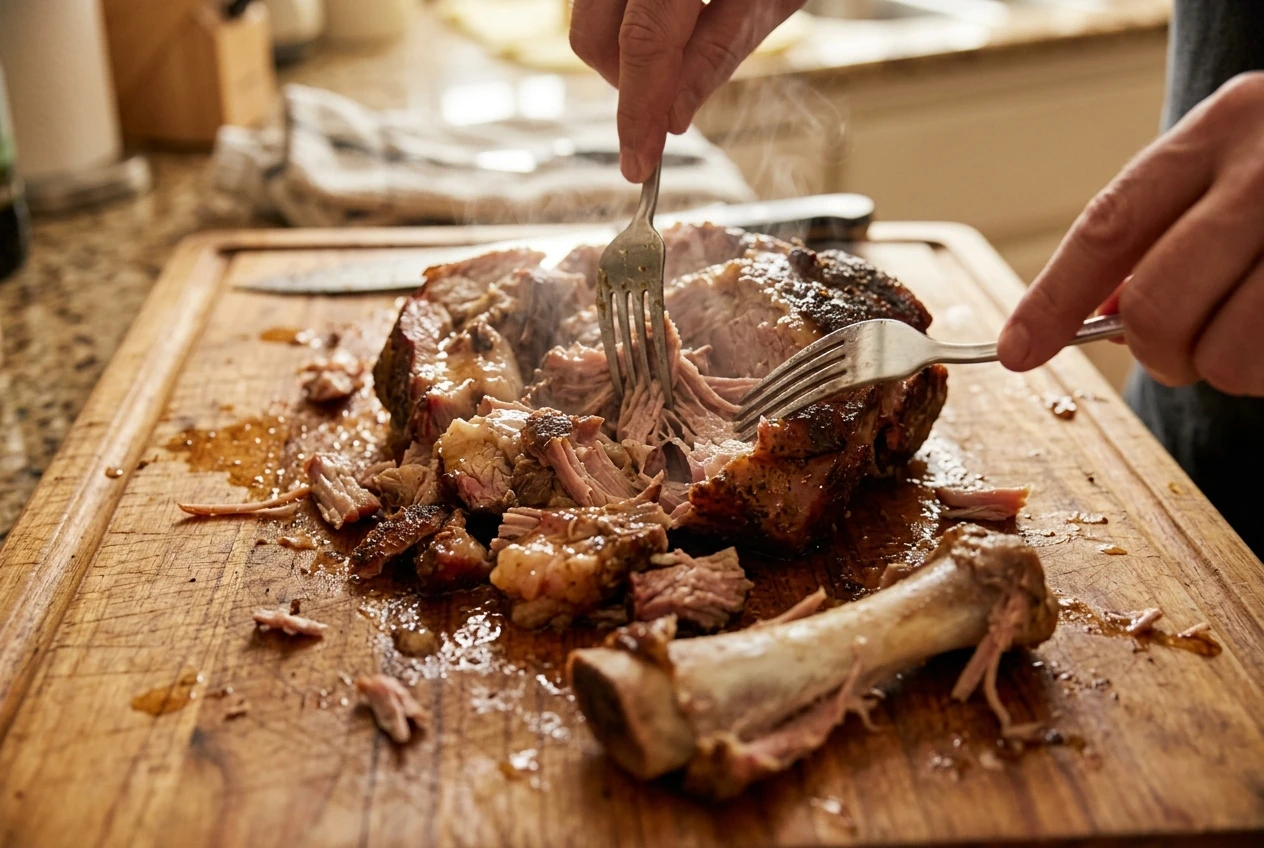
After resting, move the pork to a large cutting board or a clean tray. Pull the meat apart along the grain, aiming for a mix of fine shreds and slightly larger chunks for variety in texture. Remove any big pieces of fat or gristle as you find them.
Taste as you go. If the meat seems bland, add a pinch more rub or a splash of the cooking liquid. Then mix everything together so the seasoning and moisture are spread evenly. If you are adding sauce, toss the pork in a bowl with a little at a time until it is lightly coated.
Serving and Enjoying Your BBQ Pulled Pork
Sides and serving ideas
Classic sides for pulled pork include coleslaw, baked beans, cornbread and mac and cheese. They add crunch, sweetness or creaminess to balance the rich meat.
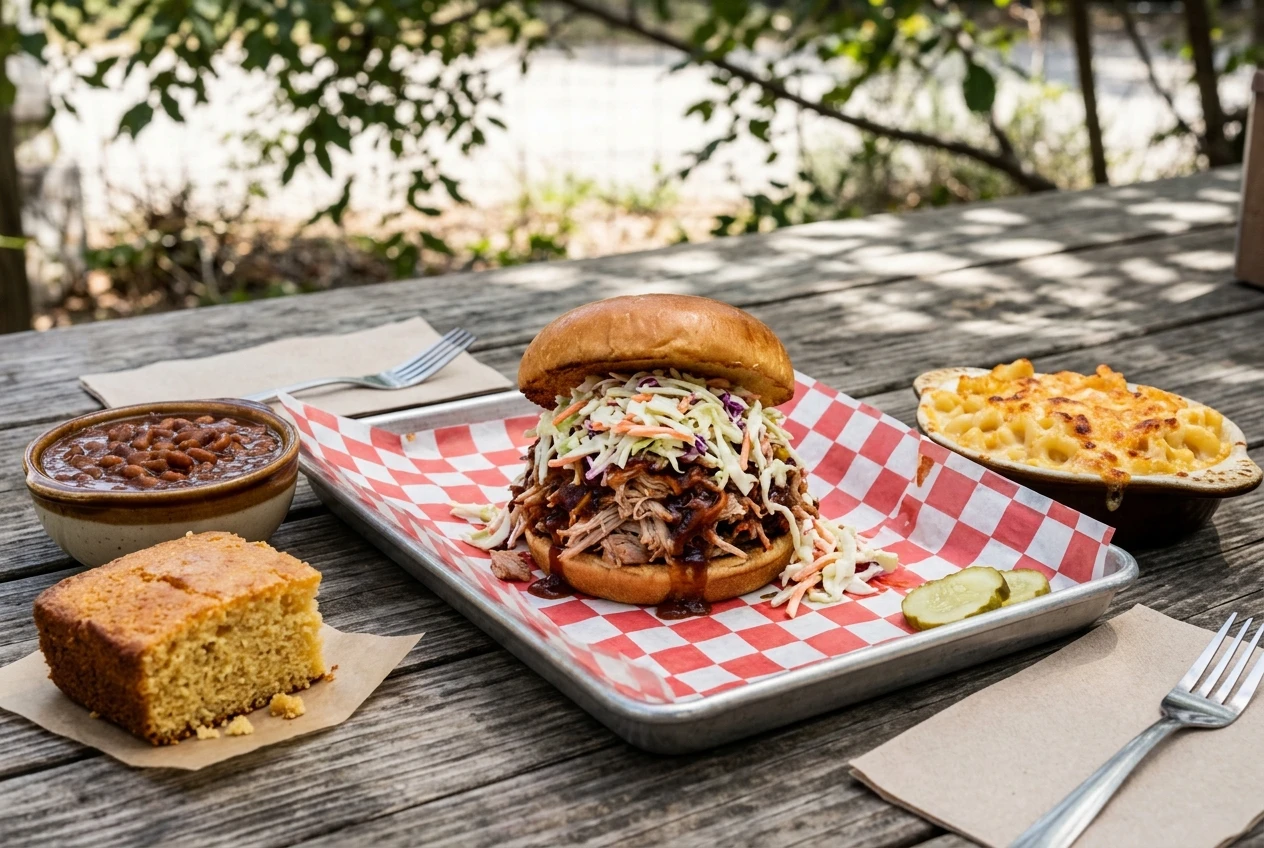
The most familiar way to serve pulled pork is piled on a soft bun with coleslaw on top. It also works as a filling for tacos and sliders. For pulled pork nachos, layer tortilla chips with the pork, cheese and your favourite toppings, then bake until the cheese melts.
How much to make
Plan on about a third of a pound of cooked pulled pork per person for a typical meal. Pork shoulder loses a lot of weight as it cooks, so buy more raw weight than you need cooked. It is worth making extra, because pulled pork keeps well and many people think it tastes even better the next day.
Storing and reheating
Refrigerate leftovers in an airtight container for up to four days. To reheat, put the pork in a covered dish in a 250°F (121°C) oven with a spoonful of leftover cooking liquid or a little sauce, and warm it until hot all the way through. In the microwave, cover the pork with a damp paper towel so it does not dry out.
If you enjoy this slow-cooked style, the best tender ribs recipe uses a similar low-and-slow approach and is a good next cook.