

Barbecue has a lot of room for ingredients that usually show up in other cuisines. Sumac, lemongrass, saffron, miso and Jamaican allspice all work on a backyard grill, and each one changes a familiar cut in a way that salt, pepper and paprika can’t. For weekend barbecuers, the challenge is knowing how much to use, when to add it, and how it behaves over fire.
This guide covers choosing exotic ingredients, building marinades and rubs around them, adjusting your grilling technique, and serving the food so the flavors come across.
Start With One Exotic Ingredient at a Time
Strong flavors compete. If you put saffron, star anise, sumac and chili paste on the same chicken thigh, you won’t taste any of them clearly. Pick one ingredient, build the dish around it, and keep the rest of the seasoning simple.
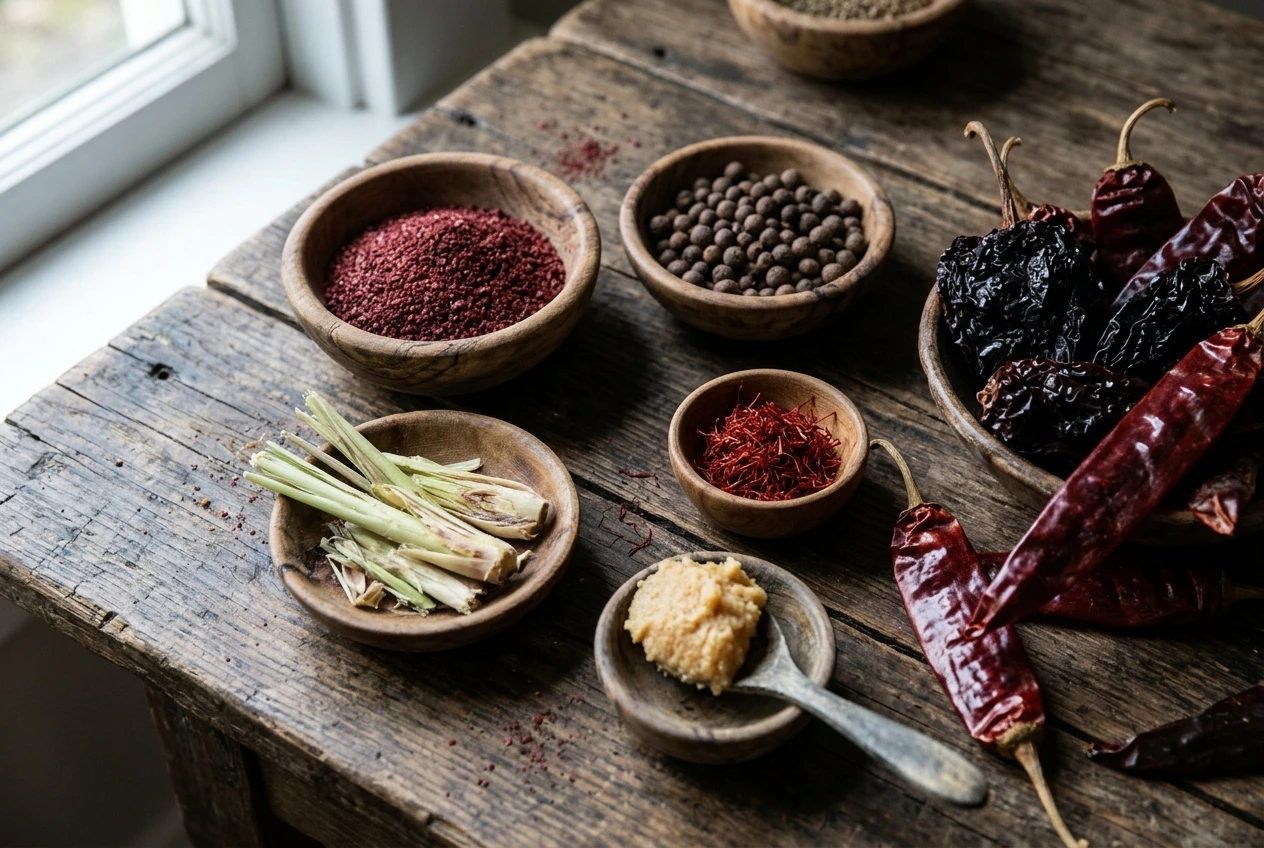
Here are some good starting points and what each does:
-
Allspice (Jamaican pimento): Warm and peppery, with notes of clove and cinnamon. It suits pork and beef, and it is potent, so use a small pinch at first.
-
Sumac: A tart, lemony Middle Eastern spice. It works well on chicken wings, lamb and grilled vegetables, and it keeps its brightness when sprinkled on after cooking.
-
Lemongrass: Citrusy and fragrant. Use the tender lower part of the stalk, and bruise or finely mince it so it releases its flavor into a marinade.
-
Saffron: Floral and expensive, so use it sparingly. Steep a few threads in warm water or stock first, then add that liquid to a marinade or basting mix.
-
Miso: Salty, savory and deeply umami. A thin coat on pork, salmon or vegetables adds richness, and it browns quickly on the grill.
-
Fresh and dried chilies: Varieties from Latin America, such as ancho, guajillo and habanero, differ in both heat and flavor. Ancho is mild and fruity, while habanero is very hot.
Before you cook with an unfamiliar ingredient, taste a little of it on its own. Smell it, and notice whether it is sweet, bitter, sour or hot. That tells you what it will do to a piece of meat, and whether it needs something to balance it, such as acid, fat or sweetness.
A new ingredient also behaves differently over heat. Some turn bitter if they scorch, some lose their aroma when cooked too long, and some are better added at the end. Treat the first cook as a test, and take notes so the second attempt is better.
Exotic Marinades and Rubs
The marinade or rub is where most of the flavor gets in, so it is the best place to experiment. A good one has four parts: something salty, something acidic or sweet, something aromatic, and a fat to carry the flavors. The exotic ingredient supplies the aromatic part, and the rest keeps it in balance.
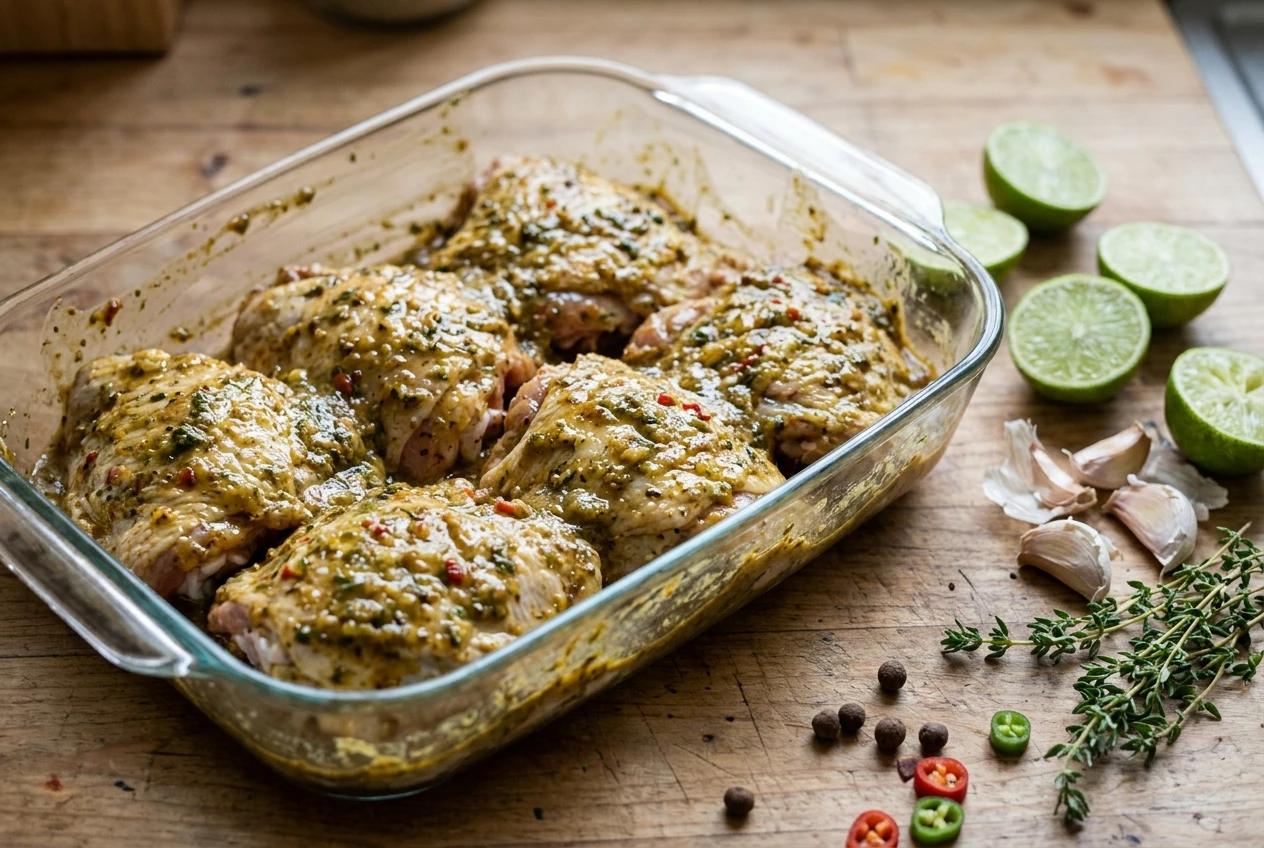
Here are some combinations that work:
-
Lime and lemongrass: Blend them with garlic, a little oil and salt for chicken or shrimp. The citrus gives sharpness and the lemongrass gives fragrance.
-
Miso, rice vinegar and a little honey: This makes a glaze for pork chops or salmon. Brush it on during the last few minutes of cooking.
-
Allspice, thyme, garlic and chili: This leans toward Jamaican jerk. Rub it on chicken thighs or pork shoulder, and give it several hours or overnight in the refrigerator.
-
Sumac, olive oil, garlic and oregano: A quick rub for lamb, chicken or vegetables that needs little time to work.
-
Turmeric, ginger, garlic and yogurt: The yogurt keeps chicken moist and helps the spices cling. Turmeric stains, so use a bowl you don’t mind discoloring.
Watch the sugar
Honey, mango, miso and many fruit purées contain sugar, and sugar burns over direct heat before the meat is cooked through. Use sweet marinades on food that cooks gently, or brush sweet glazes on near the end. A blackened, bitter crust will hide the flavors you worked to add.
Mind the marinating time
Tropical fruits such as pineapple and papaya contain enzymes that break down protein. A short marinade of around 30 minutes can soften meat. A long one can turn the surface mushy. Highly acidic marinades with lots of lime or vinegar do something similar, so keep those times shorter than you would for an oil-and-herb marinade. Dry rubs are more forgiving and can sit on the meat for hours.
If you plan to baste with leftover marinade, boil it first or set some aside before the raw meat touches it.
Grilling Techniques for Maximum Exotic Flavor
Spices and pastes react to heat differently than plain salt and pepper do, so the way you set up the grill matters. Controlling heat is the biggest factor.
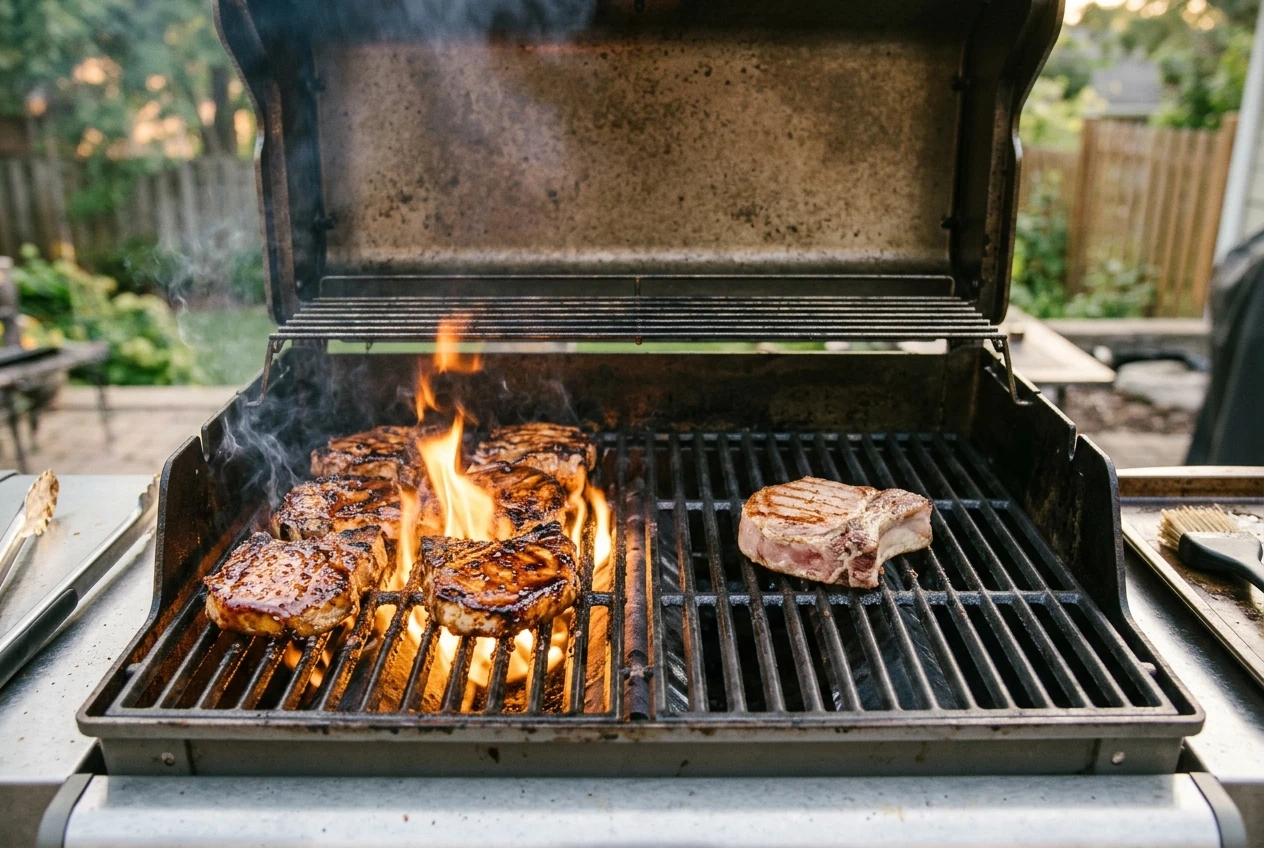
Choose direct or indirect heat on purpose
Direct heat, with the food over the flame, gives a quick sear and caramelization. It suits thin cuts, skewers, shrimp and vegetables. For a refresher, direct grilling techniques covers how to get the most from that setup.
Indirect heat, with the food beside the fire, cooks larger or thicker cuts gently. It is the better option for anything with a sugary glaze or a paste that scorches easily. If you cook on gas, setting up a two-zone fire on your gas grill gives you both a hot side and a cooler side. You can sear over the hot side and finish on the cool side.
Add flavor at the right time
Some ingredients handle long cooking and some don’t:
-
Add early: Heavy, robust spices such as allspice, turmeric and chili powder hold up through a long cook.
-
Add late: Fresh herbs, citrus zest, sumac and sticky glazes do best in the last few minutes, or after the food comes off the grill.
-
Wipe off excess: If a marinade has chunks of garlic or lemongrass, scrape most of it off before the meat goes over the fire, because small pieces burn quickly.
Use wood for flavor
If your grill or smoker uses wood, the choice affects the final taste. Cherry gives a mild, slightly sweet smoke that pairs well with pork and poultry. Stronger woods like hickory can drown out delicate spices such as saffron or lemongrass, so keep them for bold rubs and big cuts. When you use a new spice, choose a milder wood so you can taste it.
Cook to temperature
Unfamiliar marinades and glazes make color a poor guide. A dark crust from miso or sugar says little about whether the inside is done. A thermometer takes away the guesswork, and poultry should reach 165°F (74°C) at the thickest part. If you are shopping for one, choosing the right grilling thermometer for the way you cook walks through what to look for.
Let the meat rest briefly after it comes off the grill. The juices settle, and the exotic flavors have a moment to blend with the meat instead of running out onto the cutting board.
Pairing and Serving Exotic BBQ
The flavors on the plate work together, so the sides and drinks you choose matter as much as the meat. Strong spices need contrast: something cool, fresh, acidic or creamy.
Sides that balance
-
Yogurt sauces: A cucumber and mint yogurt cools spicy chicken or lamb, and it takes minutes to make.
-
Fresh salads: A quinoa salad with mint, parsley and pomegranate seeds goes well with grilled lamb. A crunchy slaw with lime suits jerk-style pork.
-
Rice and flatbreads: Plain rice or warm flatbread soaks up juices and gives the palate a rest between bites.
-
Grilled vegetables: Eggplant, peppers and zucchini take on smoke easily. Dress them with something simple like olive oil, salt and lemon.
Drinks that work
Sweet, heavily spiced food pairs well with something cold and light. Iced tea with citrus or mint, sparkling water with lime, or a simple lemonade all work. For beer, a crisp lager or a pale ale cools the heat without competing with the spices. If you serve wine, choose a bottle that is not too heavy, since big tannins can clash with chili heat. A dry rosé or a fruity white is a safe choice.
Presentation
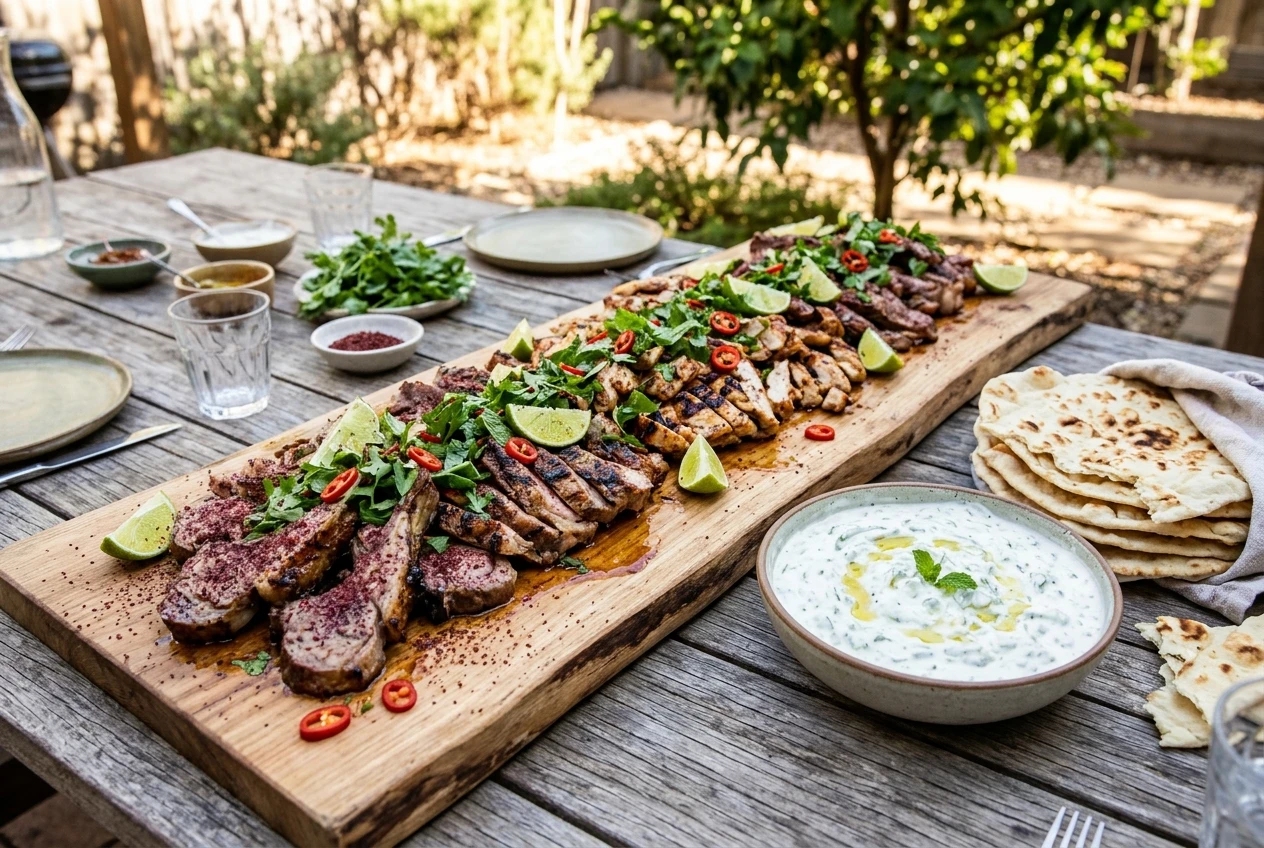
Serve on a wooden board or platter, and add color with chopped herbs, lime wedges, sliced chilies or a sprinkle of sumac. Banana leaves work as a serving surface and also as a wrapper for fish on the grill, but check that your grill’s temperature suits the wrapping. Simple garnishes make the food look deliberate without extra effort.
Tell guests what they are eating
Label the dish or just say a sentence about it, such as which spice is in the rub and where it comes from. Guests who know that the glaze is miso, or that the bright tang is sumac, tend to pay closer attention to the flavor. It also helps anyone with allergies or a low tolerance for heat.
With one new ingredient per cook, a careful eye on heat, and sides that balance the plate, exotic ingredients become part of your regular barbecue instead of a gamble.